
Backflow Testing and Repair in Massachusetts
Backflow testing and repair are critical services for irrigation and commercial water connections throughout Plymouth, the South Shore, and Massachusetts. Homeowners and businesses call when annual testing is due or when they notice leaks, pressure drops, or water quality concerns. The service includes thorough inspection, functional testing, repairs or replacement of backflow preventers, and handling all necessary paperwork with local water departments. Contact us to schedule your backflow inspection and maintain compliance with safety regulations.
Common Backflow Problems and Symptoms
Recognizing backflow issues early helps prevent contamination and water damage. These symptoms often indicate valve wear, mechanical failure, or environmental impacts common in Massachusetts.
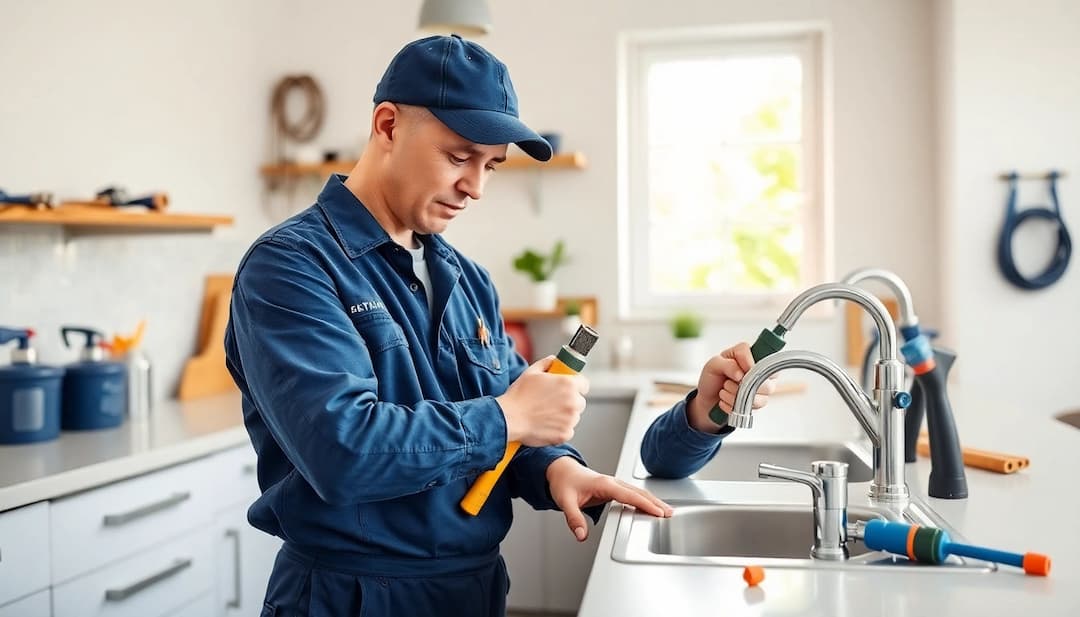
Water Contamination Risk
Homeowners may detect unusual tastes, odors, or discoloration in water, signaling potential backflow failure. Plumbers test valve seals and check for cross-connections that could allow contaminants to enter the potable water supply.
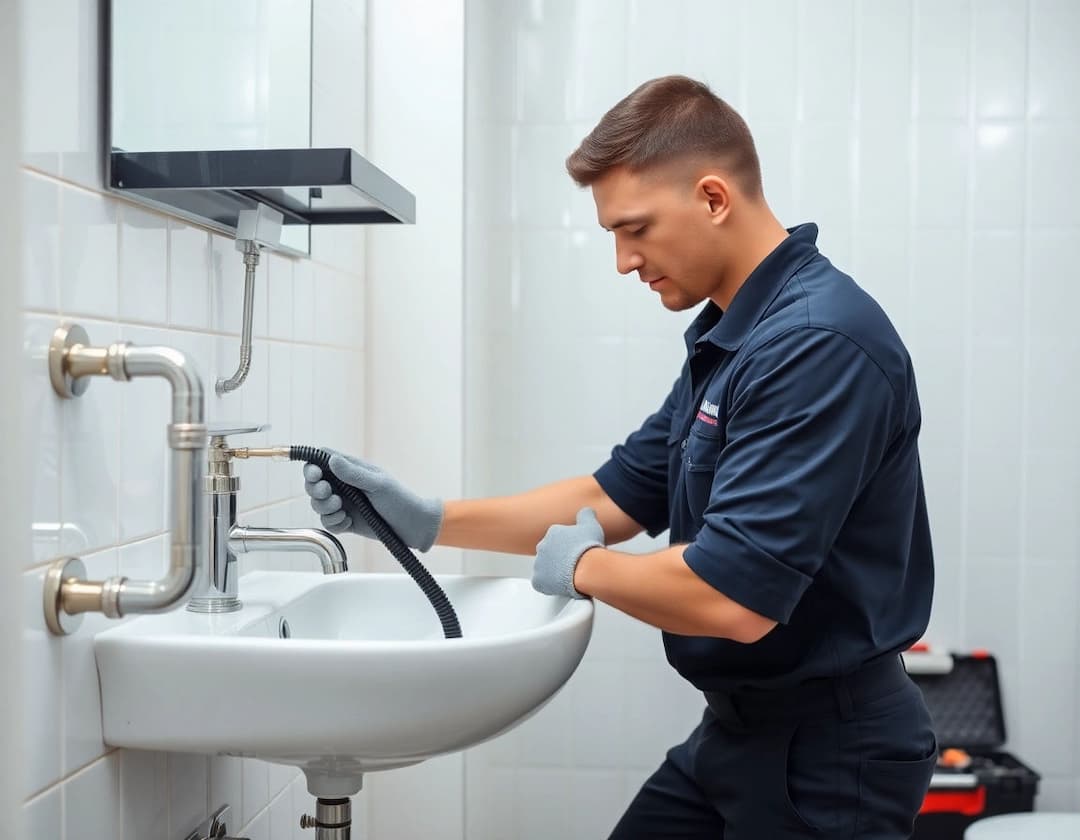
Valve Leaks or Drips
Leaks around the backflow preventer housing or dripping water indicate worn seals or corrosion. The plumber inspects the valve body, tests for leaks under pressure, and determines whether repair or replacement is needed.

Failed Annual Backflow Test
Water suppliers require yearly certification. A failed test means the preventer does not meet safety standards. The plumber diagnoses mechanical faults, valve wear, or blockage and recommends appropriate repairs.
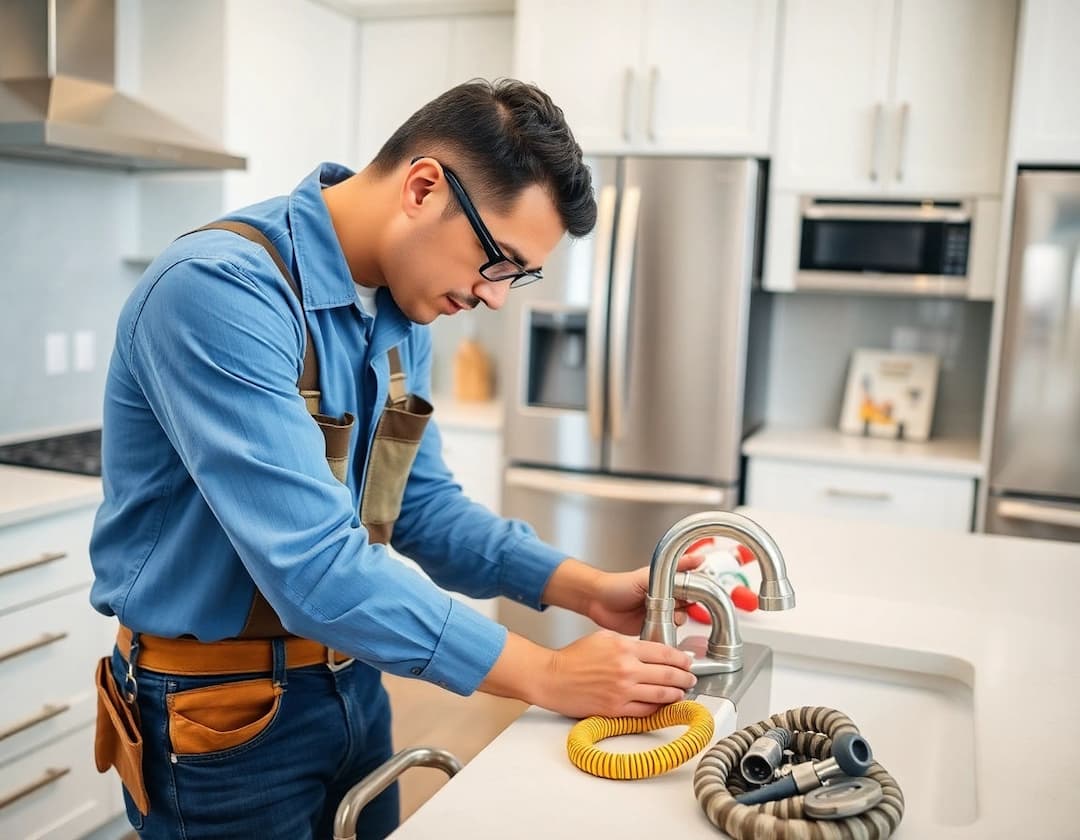
Pressure Irregularities
Fluctuating water pressure or slow flow near irrigation or commercial hookups can indicate partial valve failure or internal buildup. The plumber measures pressure differentials and inspects the valve internals for damage.
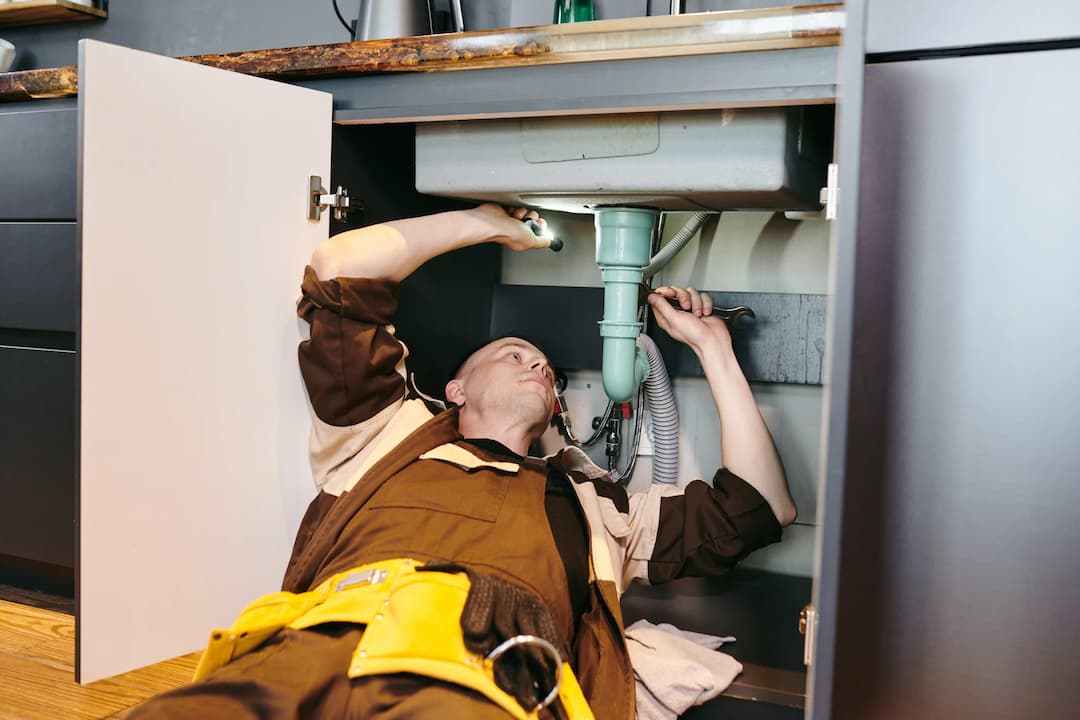
Corrosion and Rust Damage
Massachusetts winters and exposure to road salt or chemicals accelerate corrosion in metal backflow devices. The plumber visually inspects for rust, tests valve operation, and may recommend replacement if corrosion compromises function.
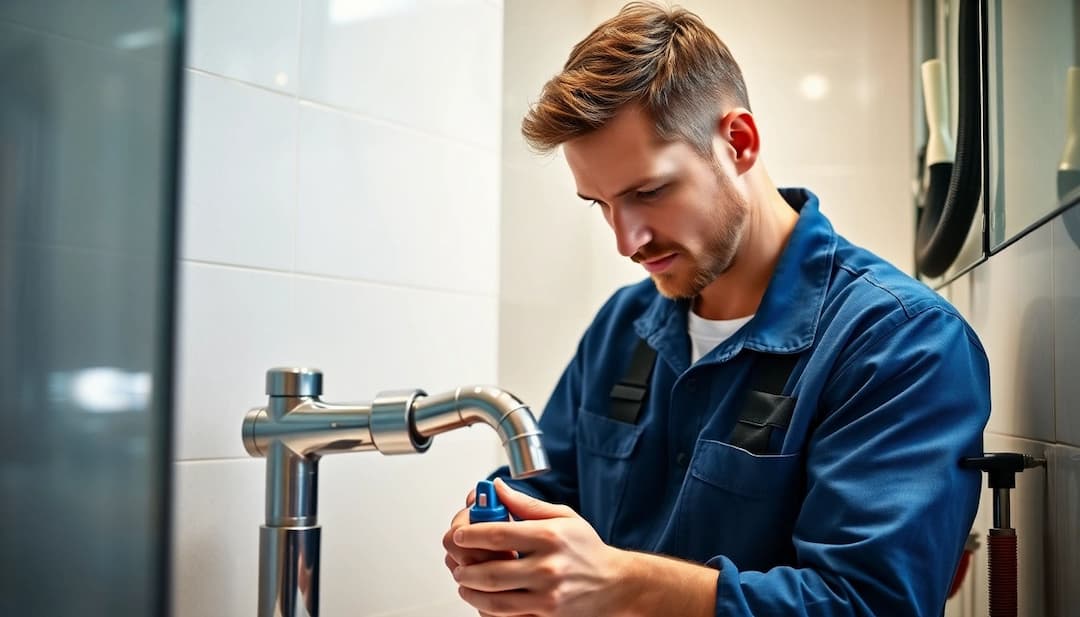
Mechanical Valve Failure
Broken or jammed parts inside the backflow preventer cause valve sticking or failure to close properly. Plumbers disassemble the unit to examine components and replace damaged parts, restoring proper operation.
Systems Involved in Backflow Testing and Repair
Backflow preventers are commonly installed on irrigation systems and commercial water connections. These devices work alongside storage tank water heaters that supply hot water to buildings. The piping materials involved range from copper and PEX supply lines to galvanized steel in older homes. Proper function of backflow devices protects potable water from contamination and complies with Massachusetts water supplier regulations.
Compare water heater types, pipe materials and drain methods
Scope of Backflow Testing and Repair Services
This service includes detailed inspection, annual functional testing, repair or replacement of backflow preventers, and filing required documentation with local water authorities to maintain compliance.
We handle
- Annual backflow testing and certification for irrigation and commercial systems
- Repair of leaking or malfunctioning backflow preventers
- Replacement of damaged or corroded backflow devices
- Inspection of valve operation, seals, and pressure differentials
- Filing of test results and certification paperwork with water departments
- Diagnosis of cross-connection risks and contamination potential
- Ensuring compliance with Massachusetts water supplier and plumbing codes
- Addressing issues related to winter damage or environmental corrosion
Not part of this service
- Septic tank pumping, septic system design or Title 5 inspections
- Well drilling and well casing work
- Heating and cooling ductwork, furnaces and air conditioning
- Electrical wiring beyond the appliance disconnect
- Repairs inside appliances such as dishwashers and washing machines
If inspection or testing reveals more extensive plumbing problems, a full assessment and detailed quote are provided before additional repairs or replacements proceed.
What to Expect During Your Backflow Service Visit
The visit includes problem discussion, thorough inspection, operational testing, and a clear repair or replacement plan tailored to your system’s needs.
- 1
Describe the Problem
Provide information about the location of the backflow preventer, any visible leaks, pressure issues, or water quality concerns. Having photos or test notices from your water supplier ready helps clarify the situation.
- 2
On-site Diagnosis
The plumber conducts a hands-on inspection, tests valve operation under pressure, checks for leaks or corrosion, and evaluates whether the device meets code requirements.
- 3
Scope Before Work
You receive detailed repair or replacement options and a quote before any work begins. The plumber explains what the repairs involve and how they will restore proper function.
- 4
Repair, Test, and Paperwork
After repairs or replacements, the backflow preventer is retested under operating pressure. The plumber files all required certification paperwork with the local water department to satisfy annual testing mandates.
Reasons to Choose Michaels Plumbing Services
This service follows Massachusetts plumbing and water safety regulations, emphasizing thorough inspections, detailed testing, and proper documentation for every job.
Regulation Compliance
Our work adheres strictly to Massachusetts codes, including permit requirements and mandated filings for backflow preventer testing and repairs.
Comprehensive Inspections
We inspect valves for leaks, corrosion, mechanical faults, and pressure irregularities to diagnose issues accurately and recommend effective solutions.
Complete Documentation
We ensure timely submission of required certification and repair paperwork to local water authorities, keeping your records current and compliant.
Local Expertise
Experience servicing Plymouth and South Shore properties means familiarity with local water supplier rules and environmental factors affecting backflow devices.
Frequently Asked Questions
Water suppliers require annual testing to verify that backflow preventers function correctly, preventing contamination of drinking water from irrigation or commercial systems.
A failed test means the device is not adequately preventing reverse flow. Repairs or replacement must be completed before retesting to meet safety and regulatory standards.
Permits are required for installing, altering, or replacing backflow devices. Repairs that do not alter plumbing connections, such as fixing leaks, typically do not require permits.
Many common issues like leaks or worn seals can be repaired on site. However, severe damage or corrosion may necessitate full device replacement.
Testing covers backflow preventers on irrigation systems and commercial water connections. Devices associated with storage tank water heaters may also be inspected when relevant.
Signs include leaks, water pressure fluctuations, unusual water taste or odor, or failure of annual tests. Water suppliers notify property owners when testing is required.
Schedule Your Backflow Testing Today
Call to arrange inspection, testing, or repair and ensure your water system meets safety regulations and local requirements.