
Burst and Frozen Pipe Repair in Massachusetts
Frozen or burst pipes often affect homes in Plymouth, the South Shore, and across Massachusetts during cold winters. These events typically involve common pipe materials like copper and PEX that can split or fail at fittings. Repair includes identifying the source, shutting off water, drying out affected areas, and installing insulation to prevent repeats. Have location details and symptoms ready when you call to schedule an assessment.
Common Pipe Problems and Symptoms
Frozen and burst pipes cause water damage, leaks, and loss of water supply. Early recognition of symptoms helps limit damage and repair costs. Below are typical issues homeowners experience during Massachusetts winters.

Visible Cracks or Splits
Leaking water from copper pipes or PEX fittings is a common sign. Freezing water expands, splitting pipes or loosening fittings. The plumber inspects pipe joints, looks for corrosion on copper, and tests for active leaks or moisture behind walls.
No Water Supply
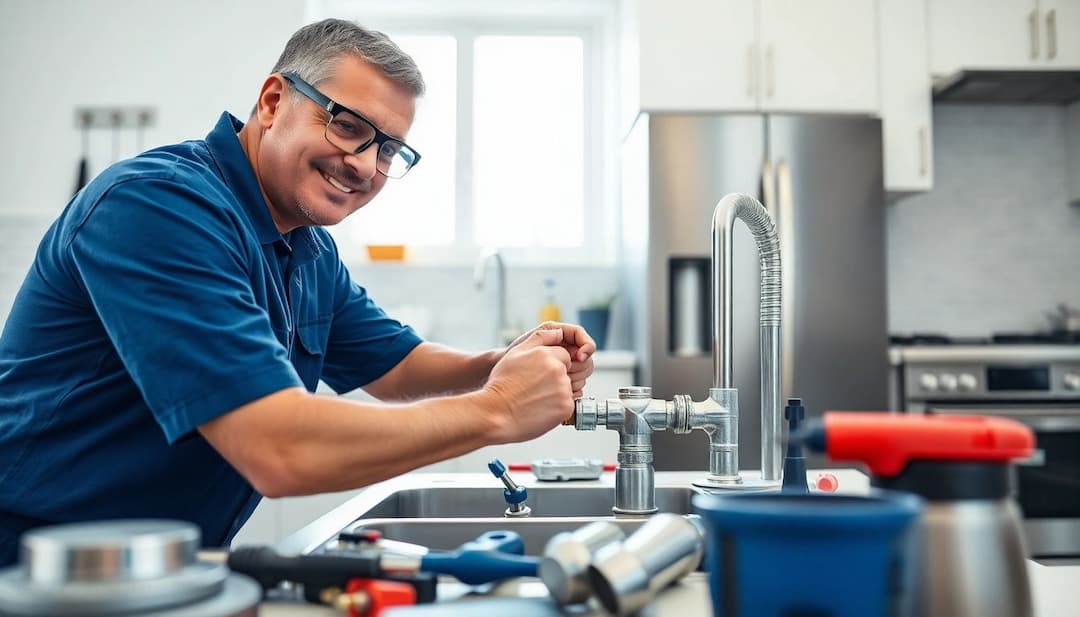
Frozen pipes can completely block water flow, leaving taps dry. This often happens in unheated crawl spaces or exterior walls. The plumber traces the supply line, checks shut-off valves, and uses temperature tools to locate frozen sections safely.
Water Leaks After Thaw
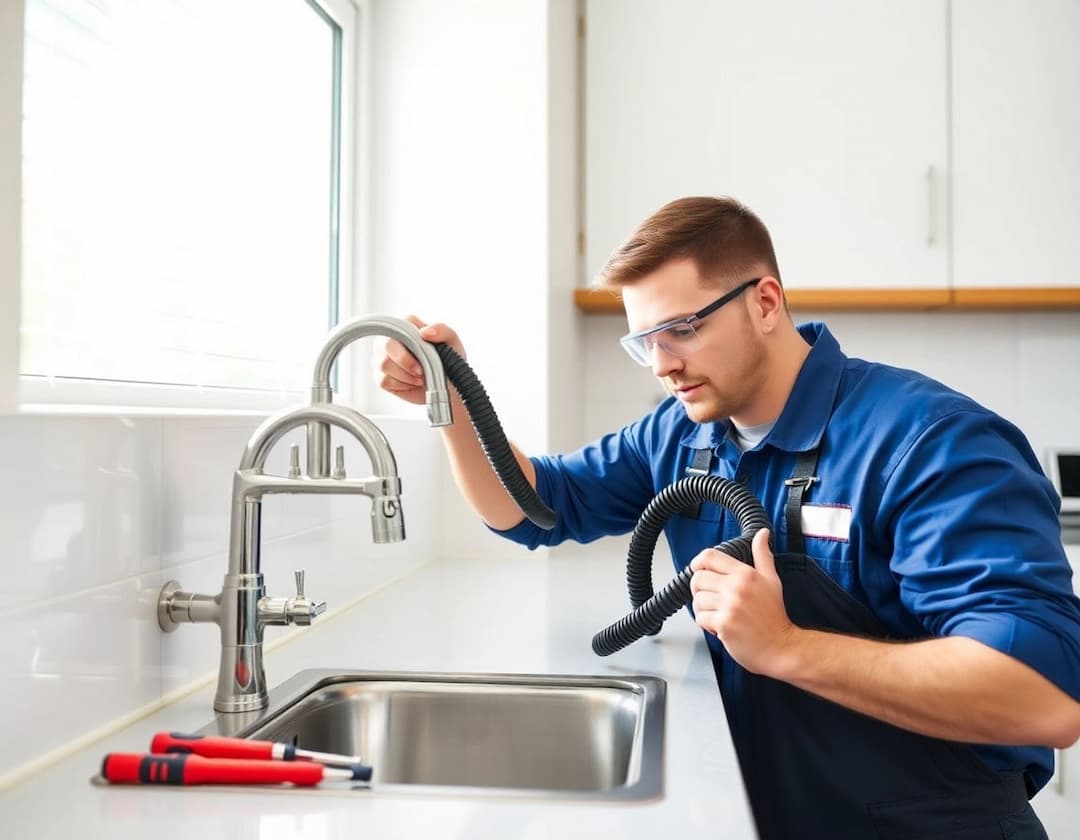
Once a frozen pipe thaws, cracks or splits may leak. Leaks often emerge at pipe bends, fittings, or transition points between materials. The plumber performs a pressure test and inspects drywall and flooring for hidden water damage.
Water Pooling Indoors
Pooling water under sinks, in basements, or near water heaters indicates a leak that may be concealed. Shut-off valves might not stop these leaks. The plumber identifies the leak source, checks pipe supports, and assesses surrounding materials for moisture intrusion.
Low Water Pressure
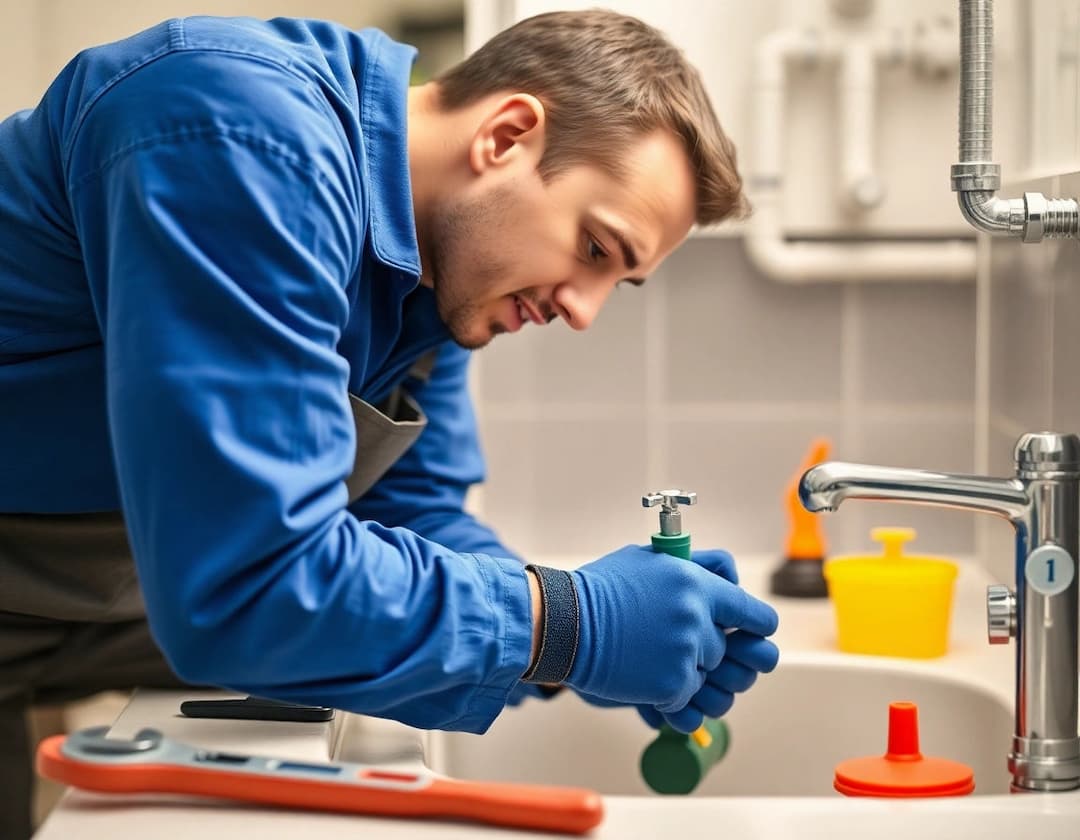
Pipe damage or partial freezing can reduce water pressure at fixtures. This can result from internal pipe constriction or debris from pipe failure. The plumber tests pressure at multiple points and evaluates pipe condition with visual and instrumental inspection.
Failed PEX Fittings
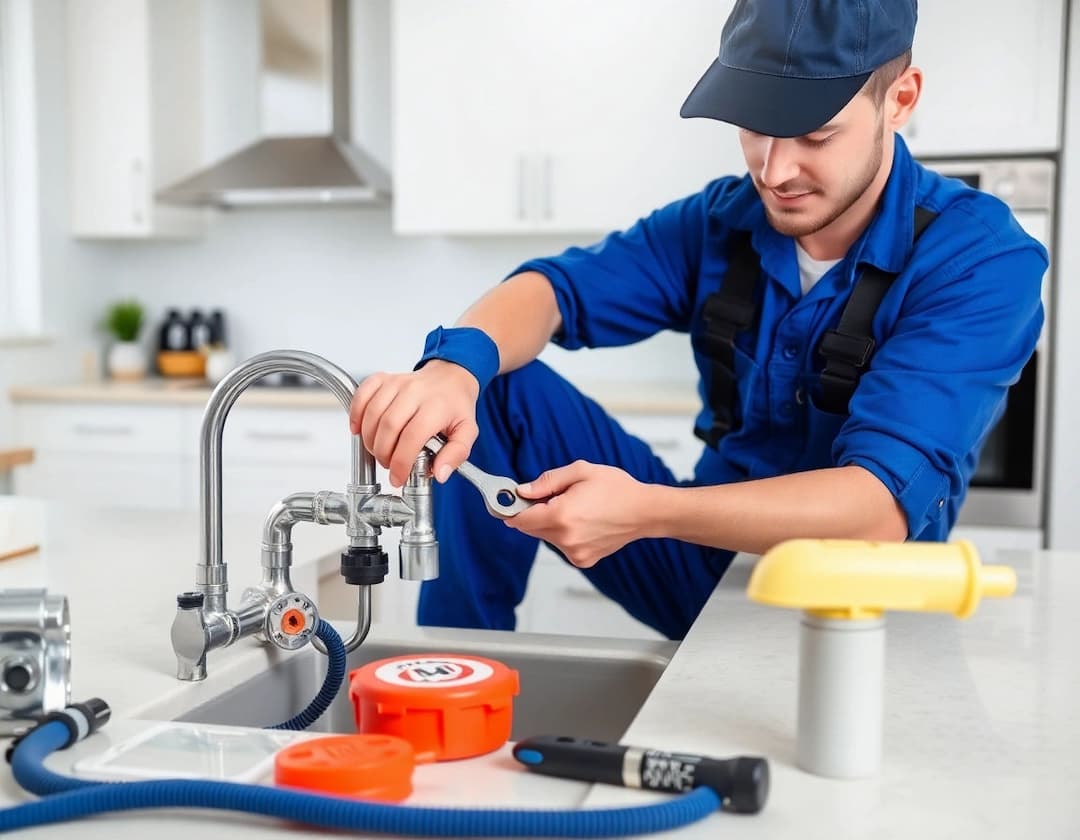
PEX supply lines, common in newer Massachusetts homes, can experience fitting failures during freezes due to expansion stress. The plumber examines connection points for looseness, cracks, or material degradation and ensures proper installation and support.
Systems Involved in Pipe Repair
Repairs target supply lines made from copper or PEX, materials prevalent in Massachusetts homes built or updated since mid-20th century. These pipes connect to water heaters including storage tank and indirect (boiler-fed) types. Understanding these systems helps pinpoint leaks and plan repairs while considering local factors like cold temperatures and older housing infrastructure.
Storage tank water heater
- Typical service life
- 10–15 years
- Fuel
- Natural gas, propane, oil or electric
The most common heater in Massachusetts homes: simple, quick to swap like for like, and the first thing to check when hot water runs short.
Indirect (boiler-fed) water heater
- Typical service life
- Tank life comparable to storage units; depends on the tank material and water quality
- Fuel
- Whatever fuels the boiler (oil, natural gas or propane)
Where the house already has a boiler, the tank and the boiler are serviced together; a water-heater complaint here can be a boiler control problem.
Compare water heater types, pipe materials and drain methods
Scope of Burst and Frozen Pipe Repair
Service includes diagnosing leaks or freezes, shutting off water supply, replacing damaged pipes or fittings, drying wet areas, and insulating to prevent future incidents. Work follows Massachusetts plumbing codes and may require filing permits when altering pipe systems.
We handle
- Locating and repairing splits in copper pipes
- Replacing failed or damaged PEX fittings
- Shutting off water supply at main valves or fixture valves
- Drying out walls, floors, and structural components
- Installing pipe insulation in vulnerable areas
- Pressure testing repaired pipes for leaks
- Filing required permits with local plumbing or gas inspectors
- Coordinating inspections to ensure code compliance
Not part of this service
- Septic system pumping or design
- Well drilling and casing work
- Heating and cooling ductwork
- Electrical wiring beyond appliance disconnect
- Mold remediation or water damage restoration
If the plumber discovers more extensive damage or code issues, a detailed scope and quote are provided before proceeding with additional repairs.
What to Expect During Your Visit
The plumber inspects the affected pipes and water heaters onsite, explains the problem, and outlines repair options before beginning work.
- 1
Describe the Issue
Provide details about the leak or freeze location, symptoms like loss of water or visible leaks, and urgency. Photos or videos help clarify the situation and speed diagnosis.
- 2
On-Site Diagnosis
The plumber inspects supply lines, fittings, and water heaters, testing for leaks or freeze damage. They check pipe materials, shut-off valves, and surrounding structures for water damage.
- 3
Discuss Repair Options
You receive an explanation of repair or replacement options, including pipe insulation and drying methods. A quote is provided before any parts are replaced or work begins.
- 4
Complete Repairs and Test
The plumber repairs or replaces damaged pipes, tests the system under pressure, installs insulation, and dries wet areas. The work area is cleaned, and any required permits are filed.
Reasons to Choose Michaels Plumbing Services
The service focuses on thorough repairs that comply with Massachusetts plumbing codes and addresses winter freeze risks common in Plymouth and the South Shore.
Local Expertise
Knowledge of Massachusetts climate, older housing pipe materials, and common freeze points enables accurate diagnosis and targeted repairs.
Code Compliance
Work complies with Massachusetts regulations including permit filing and inspections as required by 248 CMR 3.05.
System Knowledge
Experience with storage tank and indirect water heaters helps identify related leaks and boiler control issues during pipe repairs.
Preventive Focus
Beyond repairs, recommendations include pipe insulation strategies and shut-off valve use to reduce future pipe freezing and leaks.
Frequently Asked Questions
Emergencies include burst or frozen pipes, leaks that shut-off valves cannot stop, sewage backup into fixtures, total loss of water supply, no hot water during winter, or gas odors requiring evacuation and contacting the gas utility or 911.
Immediately close the main shut-off valve to stop water flow. Switch off storage tank water heaters if the tank is emptying. Avoid using affected drains and call a plumber promptly for diagnosis and repair.
Cold winters cause water in exposed or uninsulated pipes to freeze and expand, often splitting copper pipes or causing PEX fittings to fail. Many older homes have less insulation, increasing freeze risk.
A plumber can safely thaw frozen pipes using controlled heat to avoid damage. After thawing, pipes are inspected for leaks or cracks, and insulation or other preventive steps are recommended.
Massachusetts requires permits for most plumbing work involving pipe replacement, alteration, or new installations. Simple leak repairs or clearing stoppages do not require permits but must comply with codes.
Indirect water heaters use a boiler to heat water through a heat exchanger. Pipe leaks near these tanks or coil connections can indicate boiler control issues or tank failure, requiring inspection of both systems.
Contact Us for Pipe Repairs
Call or message to arrange an evaluation and repair for frozen or burst pipes in your Massachusetts home.