

Plumbing Repair in Massachusetts
Across Plymouth, the South Shore, and Massachusetts, homeowners seek plumbing repair for common issues like leaking pipes, dripping faucets, running toilets, low water pressure, valves that fail to close, and noisy pipes. These problems can worsen if left unaddressed, especially in older homes with aging pipe materials or hydronic heating systems. Repairs cover plumbing lines and fixtures, including tank and indirect water heaters. Contact us by phone with details of your issue to begin diagnosis and repair.
Common Plumbing Problems and Symptoms
Recognizing plumbing problems early helps prevent damage and water waste. Symptoms vary but often indicate specific issues requiring professional inspection and repair.
Leaking Pipes and Joints
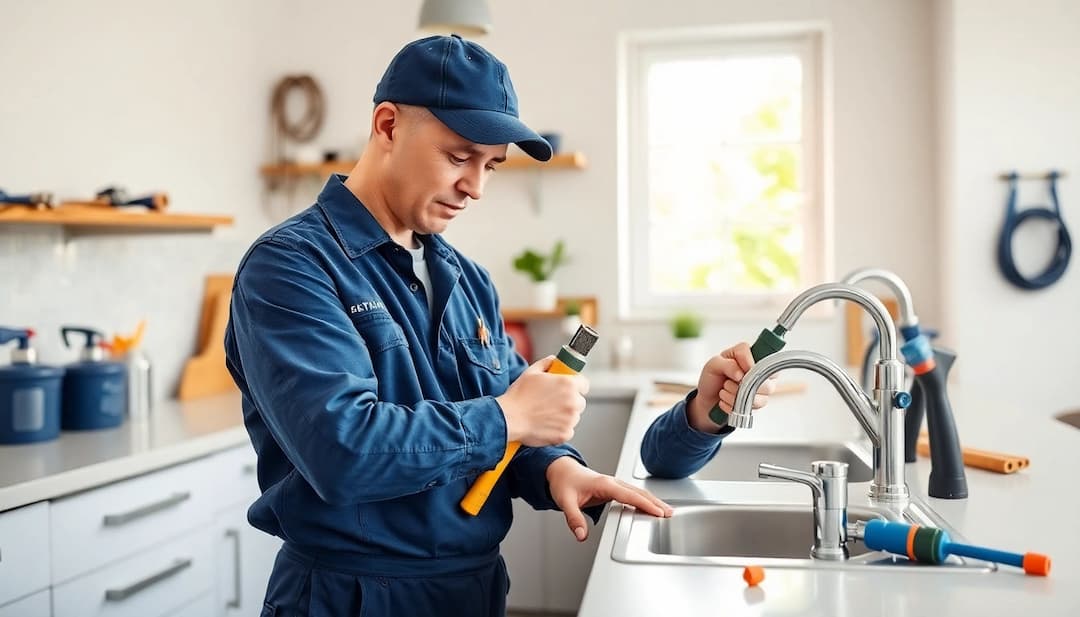
Homeowners may notice damp walls, ceilings, or floors, persistent moisture, or unusual water bills. Leaks often stem from corrosion in older pipes or failing seals in joints. The plumber inspects pipe material—copper, galvanized steel, or PEX—accesses concealed areas if needed, and tests pressure to locate leaks accurately before repairs.
Dripping Faucets
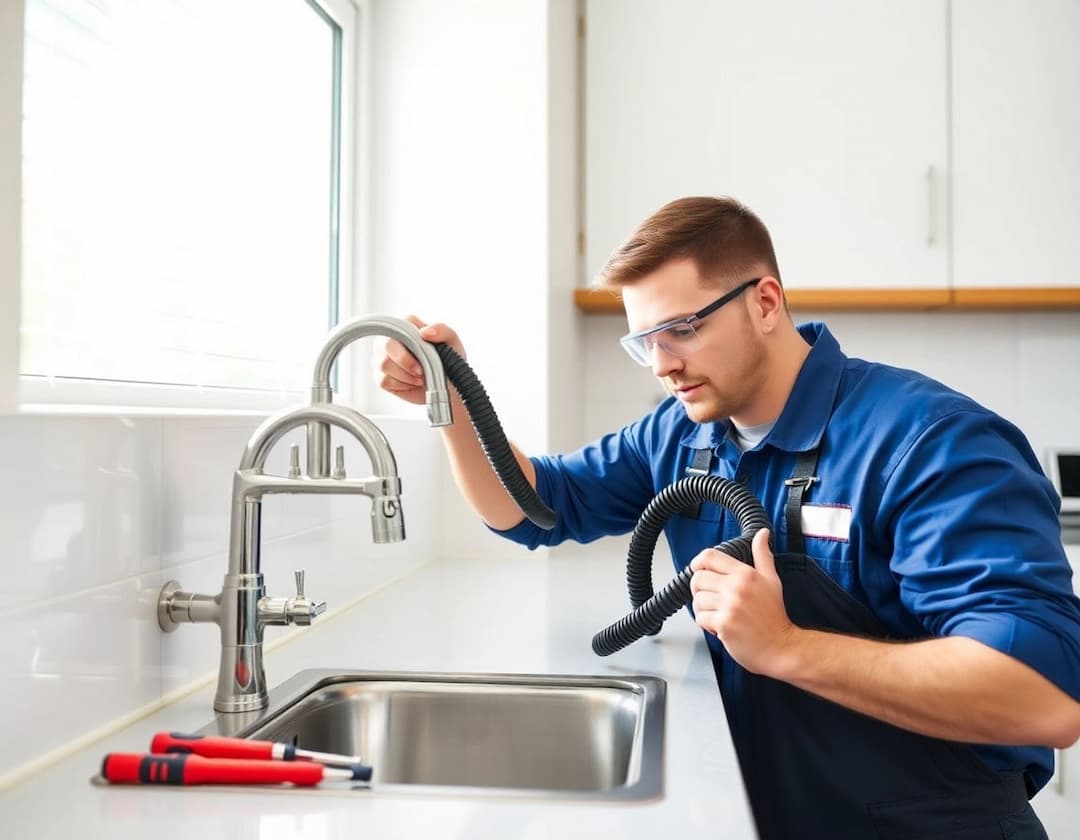
A faucet that drips steadily wastes water and causes staining. The drip usually results from worn washers, valve seats, or cartridge failure. The plumber disassembles the faucet, examines internal parts, replaces worn components, and tests the fixture to ensure a tight seal and proper operation.
Running Toilets
Continuous running water in the toilet tank wastes gallons daily. Causes include deteriorated flappers, faulty fill valves, or misaligned float mechanisms. The plumber inspects the tank’s internal parts, tests the flapper seal with food coloring if needed, and adjusts or replaces components to restore proper function.
Low Water Pressure
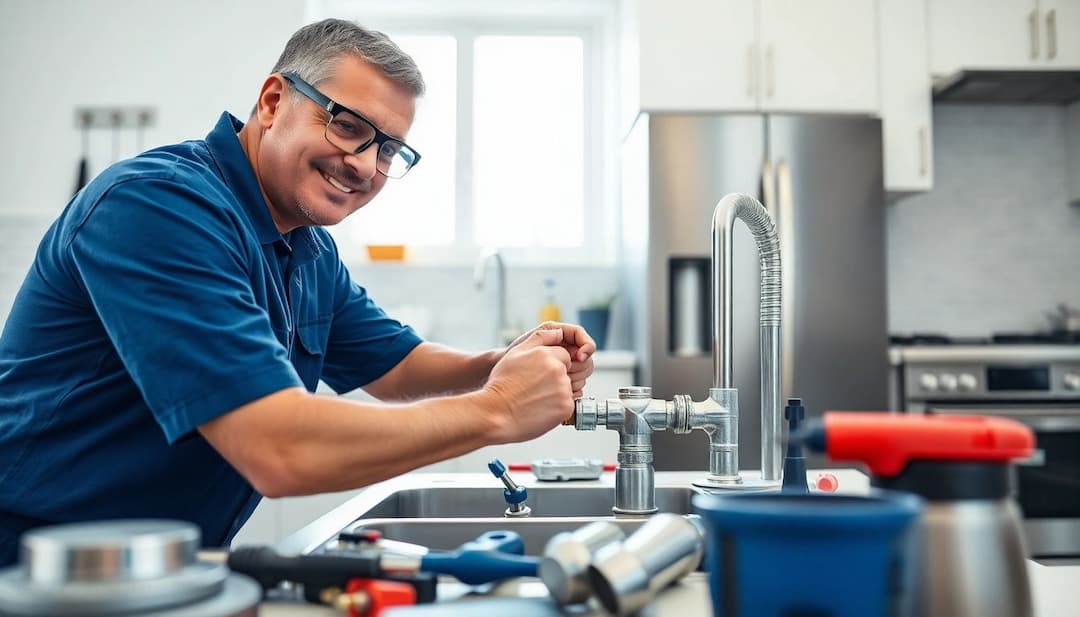
Homeowners experience weak flow at faucets or showers, often worse in winter. Causes include pipe scaling, leaks, or partially closed valves. The plumber checks supply lines for buildup, inspects valves for corrosion or obstruction, and tests pressure throughout the system, recommending repairs or replacements where needed.
Valves That Will Not Close
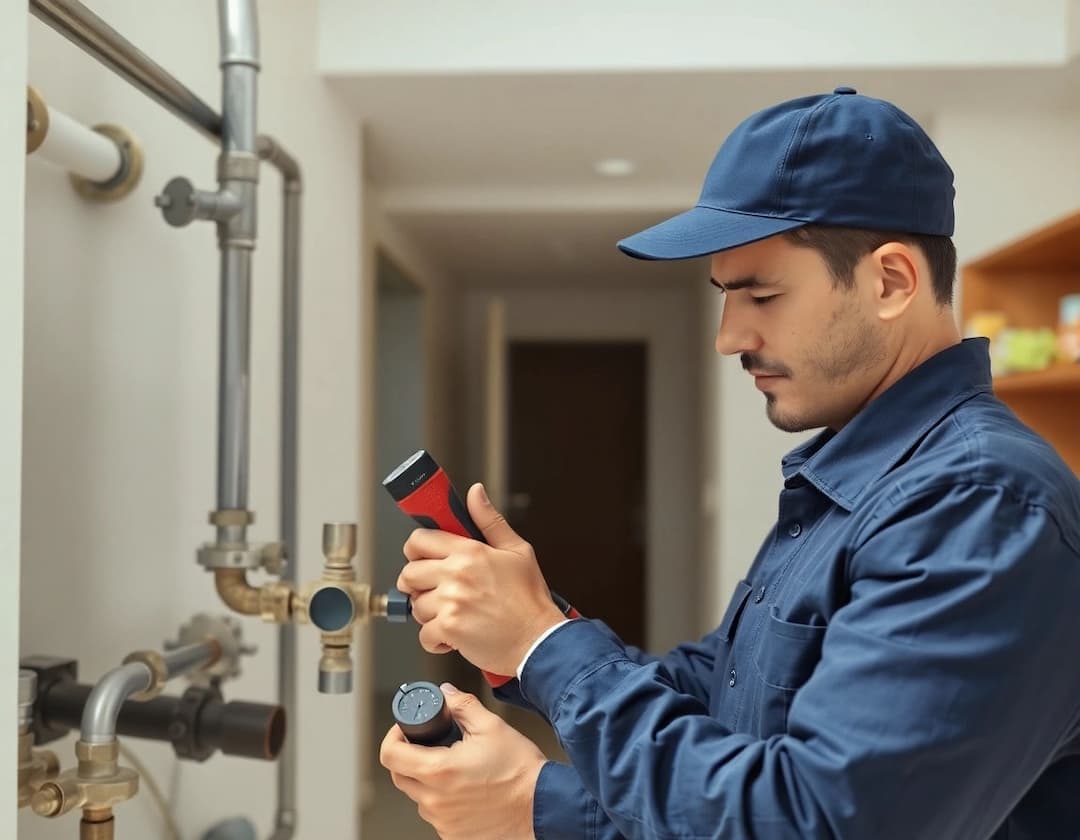
Valves that fail to shut off water can cause leaks or prevent isolation during emergencies. Aging or seized valves are common in older Massachusetts homes with galvanized or copper piping. The plumber tests valve operation, lubricates or replaces valves, ensuring they function properly for future use.
Noisy Pipes
Banging, knocking, or whistling sounds arise from water hammer, loose pipe straps, or rapid valve closure. These noises can signal pressure issues or pipe movement. The plumber inspects pipe supports, installs arrestors, and adjusts valves or pressure regulators to reduce noise and prevent damage.
Systems Involved in Plumbing Repair
Plumbing repair work typically involves water heaters such as storage tank and indirect boiler-fed units, common in Massachusetts homes. Repairs also address piping materials including copper, PEX, CPVC, galvanized steel, and cast iron drains. Older housing stock often has galvanized or cast iron pipes that require careful inspection. Maintenance and repair must consider local building codes and winter conditions that increase freeze risk.
Storage tank water heater
- Typical service life
- 10–15 years
- Fuel
- Natural gas, propane, oil or electric
The most common heater in Massachusetts homes: simple, quick to swap like for like, and the first thing to check when hot water runs short.
Indirect (boiler-fed) water heater
- Typical service life
- Tank life comparable to storage units; depends on the tank material and water quality
- Fuel
- Whatever fuels the boiler (oil, natural gas or propane)
Where the house already has a boiler, the tank and the boiler are serviced together; a water-heater complaint here can be a boiler control problem.
Compare water heater types, pipe materials and drain methods
Scope of Plumbing Repair Work
Plumbing repairs cover leaks, dripping fixtures, running toilets, low pressure, valve failures, and water heater service. The work complies with Massachusetts regulations and includes permit filing when necessary.
We handle
- Repair of leaking pipes and joints
- Replacement of faucet washers and valve seats
- Toilet tank component repair or replacement
- Water pressure diagnosis and correction
- Valve inspection, repair, or replacement
- Mitigation of noisy pipes and water hammer
- Service and repair of storage tank and indirect water heaters
- System testing and cleanup after repair
Not part of this service
- Septic tank pumping or design work
- Well drilling and casing installation
- HVAC ductwork or furnace repairs
- Electrical wiring beyond appliance disconnect
- Mold remediation or water damage restoration
If a repair reveals additional issues or requires more extensive work, the full scope and a detailed quote are provided before proceeding, ensuring clear communication.
What to Expect During a Plumbing Repair Visit
The repair visit begins with your problem description and proceeds through diagnosis, scope review, repair, and testing to restore plumbing function.
- 1
Describe the Problem
Provide detailed information by phone or form about the location, symptoms, and urgency of your plumbing issue. Photos can help the plumber understand the problem before arrival.
- 2
On-site Diagnosis
The plumber inspects affected pipes, fixtures, valves, or water heaters, tests for leaks or failures, and explains the cause and options for repair or replacement.
- 3
Scope Before Work
Before starting repairs, you receive a clear explanation of what needs to be done and a quote. This step ensures you can make an informed decision.
- 4
Repair and Test
The plumber completes the repair, tests the system under pressure or load to confirm functionality, and cleans the work area before leaving.
Reasons to Choose This Plumbing Service
This plumbing repair service addresses typical Massachusetts plumbing issues with knowledge of local codes, housing types, and water systems.
Local System Knowledge
Understanding older pipe materials and boiler-fed water heaters common in Plymouth and Massachusetts helps diagnose and repair plumbing problems accurately.
Water Heater Experience
Familiarity with storage tank and indirect water heaters ensures proper handling of common failure signs and efficient repair.
Regulatory Compliance
All repairs follow Massachusetts 248 CMR permit requirements, ensuring work meets local plumbing and gas codes and passes inspection when needed.
Clear Repair Process
Before any work, you receive a detailed scope and quote explaining necessary repairs, enabling informed decisions without surprises.
Frequently Asked Questions
Common water heater problems include rusty or discolored hot water, rumbling noises from sediment buildup, leaks under the tank, or hot water running out quickly. These signs often indicate aging or internal issues needing professional attention.
Tankless water heaters heat water on demand but have a limited flow rate. Running two showers simultaneously can strain the unit if not properly sized, causing temperature fluctuations. Correct sizing and installation by a licensed plumber are important.
A plumbing emergency includes burst or frozen pipes, active leaks that shut-off valves cannot stop, sewage backup into tubs or floor drains, no water supply, no hot water during winter, or a gas smell requiring immediate evacuation and calling the gas utility or 911.
Storage tank water heaters typically last 10 to 15 years, while tankless models can exceed 20 years with proper maintenance. Heat pump water heater lifespan depends on manufacturer warranty. Age and condition guide replacement timing.
Homeowners insurance policies vary, but many do not cover sewer line repairs due to wear or age. Coverage may apply for sudden damage like backups. Consult your insurer for specific policy details.
Trenchless methods like pipe relining can repair sewer lines without digging, depending on pipe condition. A camera inspection determines if this approach is suitable.
Schedule Your Plumbing Repair
Call to describe your plumbing issue and arrange a diagnosis and repair plan.