
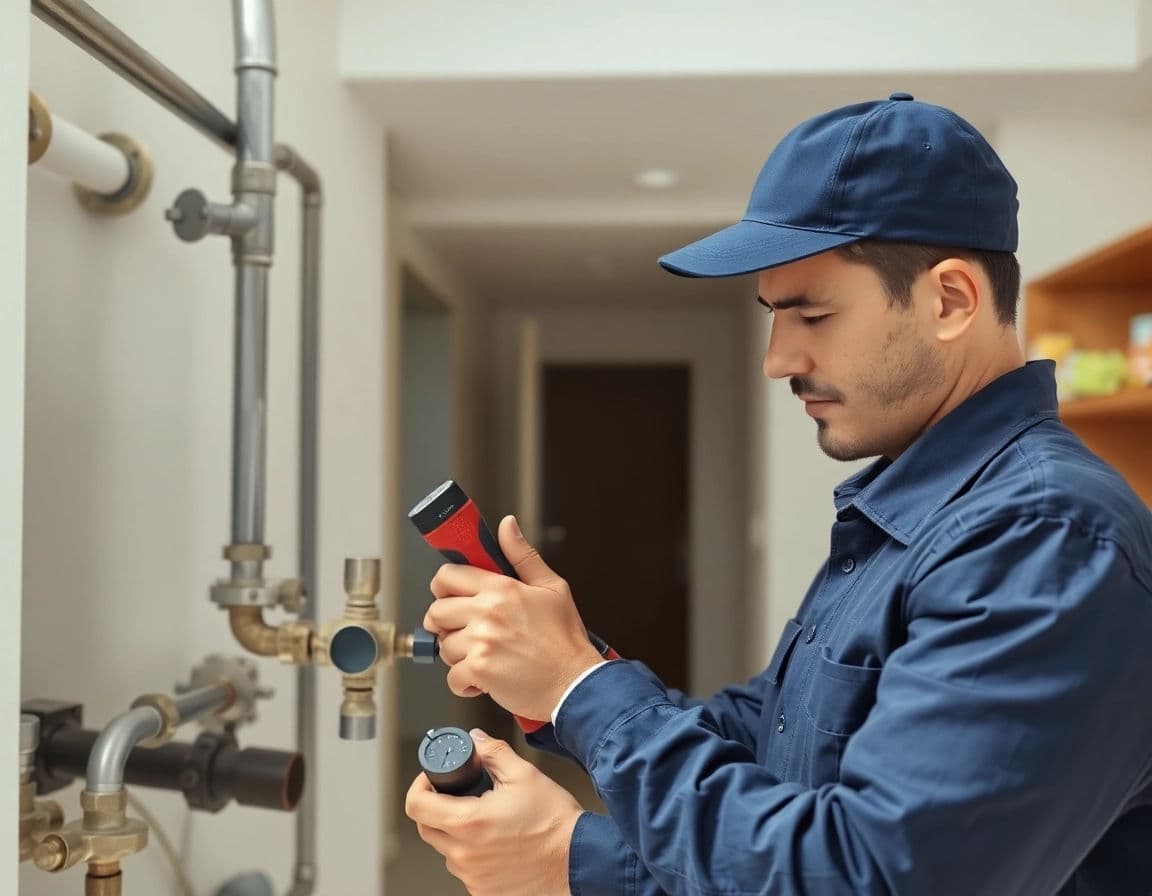
Leak Detection in Massachusetts
Hidden leaks in homes across Plymouth, the South Shore, and Massachusetts can lead to costly water waste and structural damage if left unaddressed. Homeowners often call for leak detection when water bills rise unexpectedly or when signs like damp spots and pressure drops appear. This service covers locating leaks using meter tests, toilet dye checks, moisture and pressure testing, and repairing issues in storage tank and indirect water heaters.
Reach out to discuss your leak concerns and schedule a detailed inspection.
Common Leak Problems and Symptoms
Leaks often start hidden but produce symptoms such as unusual water usage, noises, or dampness. Recognizing these early signs helps prevent damage and water waste in older and newer Massachusetts homes.

High Water Meter Readings
An unexpected rise in your water meter reading when no water is used usually indicates a hidden leak. Plumbers perform careful meter tests by checking readings before and after periods of no water flow to confirm the leak’s presence and narrow down its location without invasive work.
Toilet Tank Dye Test
A common leak source is a faulty toilet flapper. Adding food coloring to the toilet tank helps detect leaks when the color appears in the bowl within ten minutes. This test identifies leaking valves that silently waste significant water and are often overlooked.

Water Pooling Near Fixtures or Walls
Visible dampness, pooling water, or discoloration near fixtures, water heaters, or walls suggests leaks in supply lines or plumbing joints. The plumber inspects these areas carefully, checking for pinholes, loose connections, or cracks often caused by corrosion or freezing winters.

Pressure Drops and Flow Issues
A sudden drop in water pressure or irregular flow at taps can indicate leaks in supply pipes or water heaters. Pressure testing helps identify weak points and leaks behind walls or under slabs, especially in homes with older galvanized or cast iron pipes common in Massachusetts.
Rumbling or Popping in Water Heaters
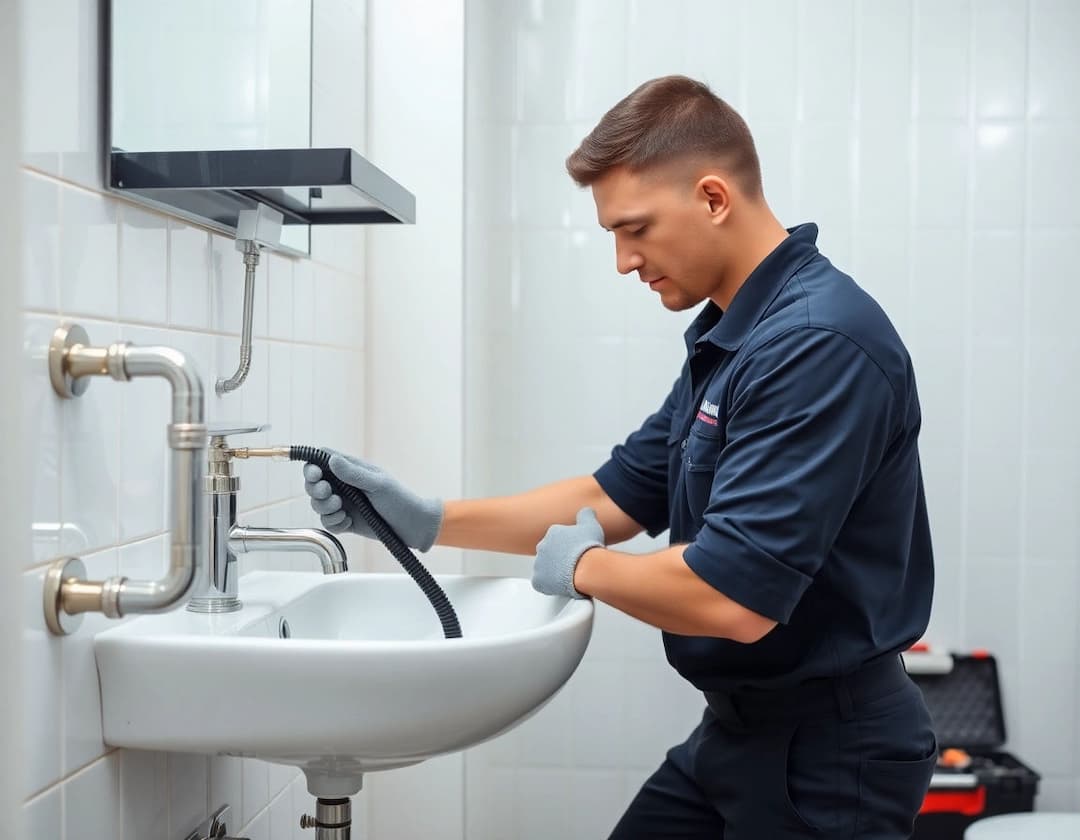
Rumbling, popping, or strange noises from storage tank water heaters often signal sediment buildup or internal leaks. The plumber examines the tank for corrosion, leaks beneath the unit, or sediment accumulation that affects performance and may require repair or replacement.

Slab and Wall Leaks
Leaks beneath concrete slabs or behind walls are difficult to detect without specialized moisture sensors and pressure testing. These leaks can cause structural damage and may result from pipe corrosion or shifting foundations during harsh Massachusetts winters.
Water Heater and Pipe Systems Involved
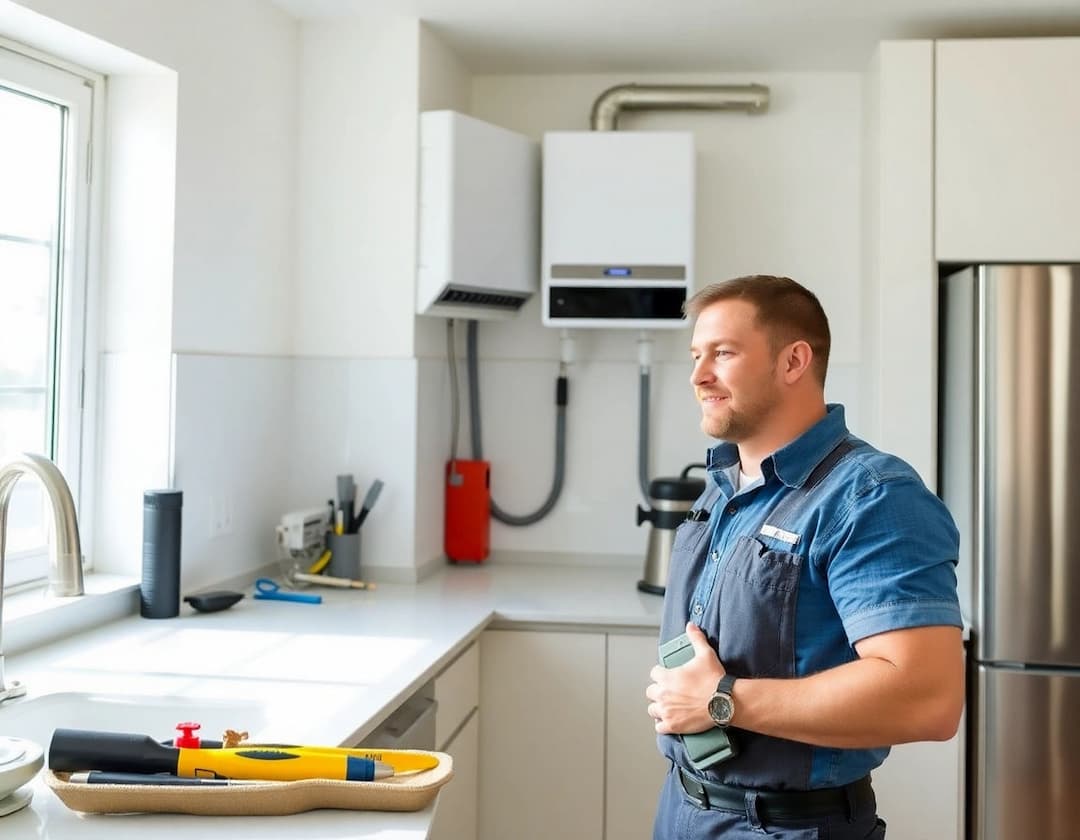
Leak detection focuses on storage tank and indirect water heaters, common in Massachusetts homes. Storage tanks hold 30 to 80 gallons heated by gas, oil, or electricity, while indirect heaters use boilers to supply heat through a coil. Pipes involved include copper, PEX, CPVC, and older materials like galvanized steel or cast iron. Locating leaks requires a combination of visual inspection, moisture detection, and pressure testing to ensure accurate diagnosis.
Storage tank water heater
- Typical service life
- 10–15 years
- Fuel
- Natural gas, propane, oil or electric
The most common heater in Massachusetts homes: simple, quick to swap like for like, and the first thing to check when hot water runs short.
Indirect (boiler-fed) water heater
- Typical service life
- Tank life comparable to storage units; depends on the tank material and water quality
- Fuel
- Whatever fuels the boiler (oil, natural gas or propane)
Where the house already has a boiler, the tank and the boiler are serviced together; a water-heater complaint here can be a boiler control problem.
Compare water heater types, pipe materials and drain methods
Scope of Leak Detection Service
This service identifies hidden leaks using water meter and toilet dye tests, pressure checks, moisture detection, and repairs supply lines, water heaters, and plumbing fixtures. Permits are obtained when required by Massachusetts regulations.
We handle
- Water meter leak testing to confirm hidden leaks
- Toilet flapper dye testing for valve leaks
- Pressure and moisture testing of pipes and tanks
- Detection and repair of slab and wall leaks
- Fixing pinhole leaks in copper and other piping
- Repair of storage tank water heater leaks
- Diagnosis and repair of indirect water heater leaks
- Assistance with permits and local inspections
Not part of this service
- Septic tank pumping, design, or Title 5 inspections
- Well drilling and well casing services
- Heating and cooling ductwork or furnace repairs
- Electrical wiring beyond the appliance disconnect
- Mold remediation and water damage restoration
If leak detection reveals additional repair needs beyond the initial assessment, a detailed scope and quote are provided before any further work begins.
What to Expect During the Visit
The plumber assesses your leak concern using tests and inspections, explains findings, and discusses repair options and permits if needed.
- 1
Describe the Problem
Provide details about leak signs, locations, and urgency by phone or online form. Including photos or videos of the affected area helps the plumber prepare for the inspection.
- 2
On-Site Diagnosis
The plumber inspects plumbing lines, water heaters, and fixtures. Tests include meter checks, dye tests in toilets, water pressure measurements, and moisture detection to locate hidden leaks accurately.
- 3
Scope Before Work
Repair options, expected work, and any required permits are explained in detail. You receive a clear quote before any repair or replacement begins.
- 4
Repair and Testing
Repairs are carried out carefully, addressing leaks in pipes or tanks. The system is pressure tested after work to ensure leaks are fixed, and the work area is cleaned before completion.
Reasons to Choose Our Leak Detection Service
Our approach follows Massachusetts plumbing regulations and industry standards for leak detection and repair to protect your home and water supply.
Regulation Compliance
Work complies with Massachusetts regulation 248 CMR 3.05, ensuring proper permits and inspections are obtained from local plumbing or gas authorities.
Advanced Leak Detection
Services use water meter tests, toilet dye tests, pressure and moisture detection to find leaks that may be hidden behind walls or under slabs.
Experienced Repairs
Repairs cover leaks in storage and indirect water heaters, supply lines made of copper or PEX, and older pipe materials prone to corrosion such as galvanized steel.
Clear Communication
You receive a thorough explanation of the problem, repair options, and permit requirements before any work begins, ensuring informed decisions.
Frequently Asked Questions
Common problems include rusty or discolored hot water, rumbling noises from sediment buildup, leaks under the tank, or hot water running out quickly. These signs often indicate the unit is aging or has internal issues that need professional attention.
A food coloring test is effective: add color to the toilet tank and wait ten minutes. If the color appears in the bowl, it indicates a leaking flapper causing water waste.
Copper pipes are common in homes since the mid-20th century and can develop pinhole leaks. Older homes may have galvanized steel or cast iron pipes prone to corrosion and leaks.
Emergencies include active leaks that shut-off valves do not stop, burst or frozen pipes, sewage backup, no water supply, or no hot water in winter. Immediate professional help is necessary.
Permits are required for most plumbing repairs except for fixing leaks in faucets or valves, clearing stoppages, or adjusting gas appliance controls without changing supply connections.
Moisture detection tools and pressure testing are used to locate leaks under concrete slabs. Early detection prevents structural damage and costly repairs.
Schedule Leak Detection Service
Call or contact us to discuss hidden leaks and arrange an inspection across Plymouth and Massachusetts.