Repiping in Massachusetts
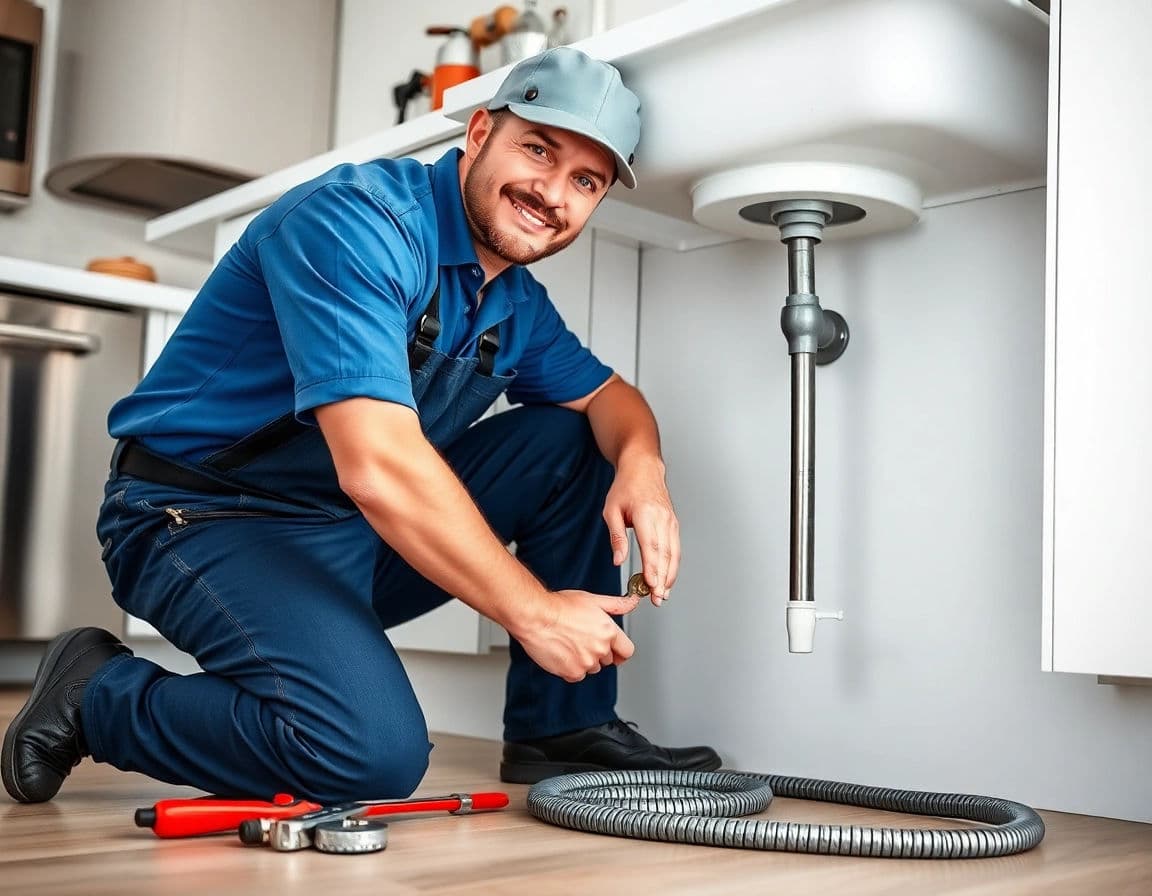
Repiping involves replacing aging or failing pipes such as galvanized steel, polybutylene, or deteriorating copper with more durable PEX or copper piping. This service is common in Plymouth, the South Shore, Cape Cod, and other Massachusetts communities where older homes often have outdated plumbing. Repiping can be partial or for the whole house and includes careful wall access, patching, and compliance with local permits and inspections.
Contact us to schedule an assessment of your plumbing system and discuss your repiping options.
Common Signs Indicating the Need for Repiping
Homeowners often notice specific symptoms that suggest their plumbing system needs repiping. A plumber inspects these issues, considering pipe condition and material to determine the required work.

Rusty or Discolored Water
Water that appears brown, orange, or cloudy usually results from corroded galvanized or older copper pipes. The plumber tests water samples and examines pipe surfaces to confirm corrosion and the extent of pipe deterioration.

Low Water Pressure
Reduced water flow or weak pressure in fixtures can indicate pipe narrowing from buildup or failed polybutylene lines. The plumber measures flow rates and inspects pipe diameter for blockages or material failure.

Leaks Behind Walls or Ceilings
Visible water stains or dampness on walls or ceilings may signal hidden pipe leaks. The plumber uses moisture meters and sometimes cameras to locate leaks and assess pipe condition before recommending repairs or replacement.
Unusual Noises in Pipes
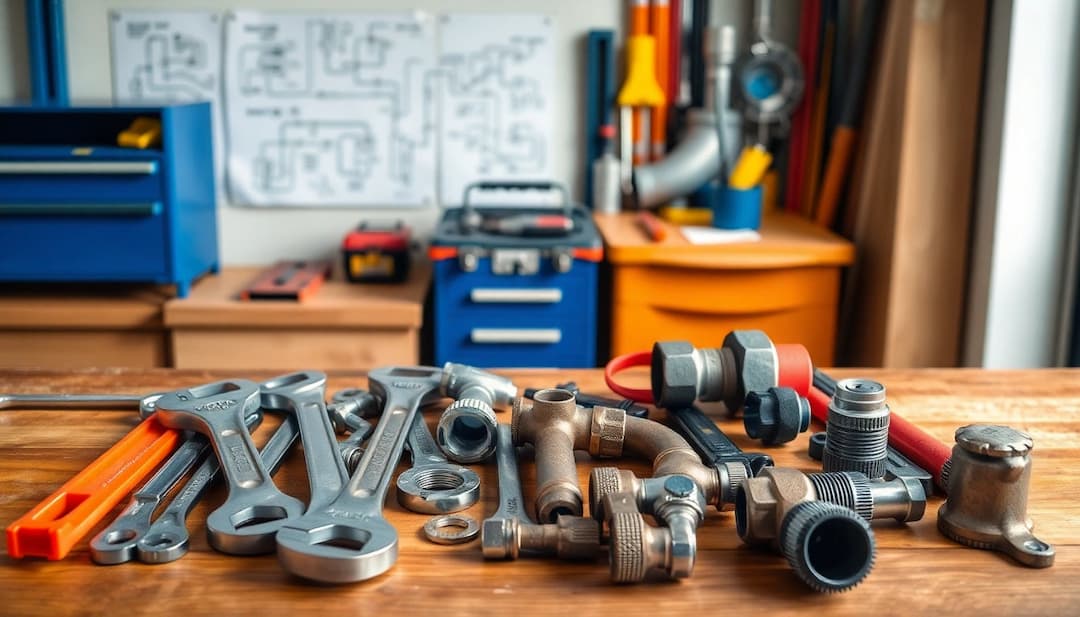
Banging, knocking, or whistling sounds often point to water hammer or pipe movement caused by loose or failing pipes. The plumber checks pipe supports and inspects for corrosion or damage requiring repiping.
Frequent Pipe Breaks or Repairs
Repeated patching of old copper or polybutylene pipes suggests systemic failure. The plumber reviews repair history and inspects the plumbing system to recommend whole or partial repiping for long-term reliability.
Water Quality Issues
Metallic taste, sediment, or discoloration often stem from corroded pipes releasing deposits into water. The plumber tests water chemistry and inspects pipe interiors to determine if replacement with PEX or copper is necessary.
Systems Involved in Repiping Projects
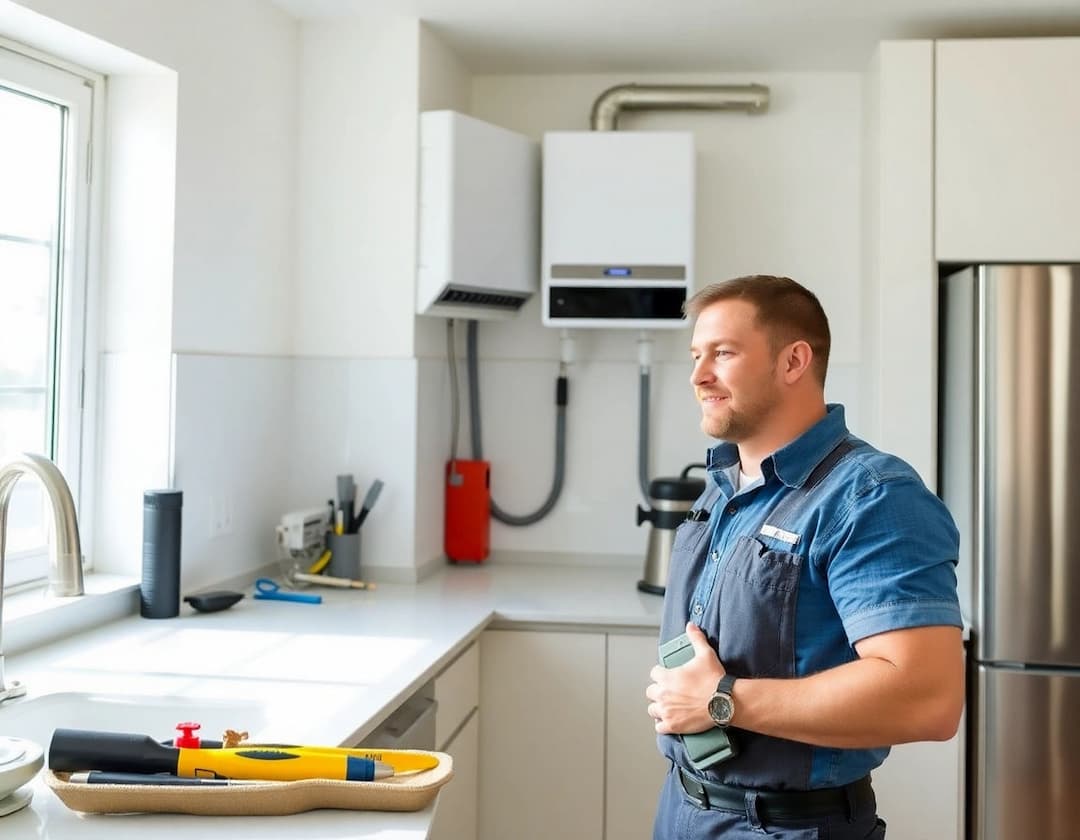
Repiping usually addresses the home's supply lines, replacing galvanized steel, polybutylene, or failing copper with modern PEX or copper pipes. This work often connects to storage tank or tankless water heaters, both common in Massachusetts homes. Older houses may have cast iron or lead components in drains or water services, but repiping focuses on supply lines. Massachusetts plumbing codes regulate materials and installation for safety and durability.
Storage tank water heater
- Typical service life
- 10–15 years
- Fuel
- Natural gas, propane, oil or electric
The most common heater in Massachusetts homes: simple, quick to swap like for like, and the first thing to check when hot water runs short.
Tankless (on-demand) water heater
- Typical service life
- 20+ years
- Fuel
- Natural gas, propane or electric
Longer service life and endless hot water at one or two fixtures, but it needs correctly sized gas and venting and periodic descaling.
Compare water heater types, pipe materials and drain methods
What Repiping Includes and Excludes
Repiping covers removal and replacement of supply piping, creating access openings in walls or ceilings, patching, and handling permits and inspections required by Massachusetts law.
We handle
- Removing galvanized, polybutylene, or deteriorated copper supply pipes
- Installing new PEX or copper piping throughout whole or partial house
- Cutting and later patching wall, ceiling, or floor access panels
- Connecting new pipes to tank and tankless water heaters
- Filing Massachusetts plumbing permits under 248 CMR 3.05
- Coordinating inspections with local plumbing or gas authorities
- Pressure testing new piping systems for leaks
- Ensuring compliance with building codes and safety standards
Not part of this service
- Septic system pumping, design, or Title 5 inspections
- Well drilling, casing, or well water system work
- HVAC ductwork, furnaces, or air conditioning repairs
- Electrical wiring beyond appliance disconnects
- Repairs inside appliances like dishwashers or washing machines
If further problems or upgrades are found during repiping, a clear scope and quote are provided before additional work proceeds.
What to Expect During Your Repiping Visit
The visit begins with gathering detailed information and ends with permit filing and inspection scheduling to ensure code compliance.
- 1
Describe Your Problem
Provide a detailed description of issues, locations affected, and urgency when calling or filling out a form. Photos of damaged areas or pipes help the plumber prepare.
- 2
On-Site Inspection
A plumber inspects your plumbing system, identifying pipe materials and condition, testing water flow, and locating leaks or corrosion to assess repiping needs.
- 3
Discuss Scope and Options
Options for partial or whole-house repiping are reviewed. A written scope and quote are provided before any wall openings or pipe replacements begin.
- 4
Perform Work and Testing
Pipes are removed and replaced, wall access points patched, and the system pressure tested. Required permits are filed and inspections scheduled with local authorities.
Advantages of Choosing Michaels Plumbing for Repiping
Our understanding of Massachusetts plumbing codes and local plumbing challenges supports compliant and effective repiping work.
Local Permit Knowledge
Familiarity with 248 CMR 3.05 ensures proper permits are secured and inspections arranged, avoiding code violations.
Experienced with Pipe Types
Expertise replacing galvanized, polybutylene, and old copper pipes with durable PEX or copper suited to Massachusetts homes.
Careful Wall Access
We carefully cut access panels and skillfully patch walls to reduce disruption and maintain your home's appearance.
Water Heater Integration
Repiping includes proper connection to storage tank and tankless water heaters for consistent water supply and efficiency.
Frequently Asked Questions
Repiping replaces galvanized steel, polybutylene, or deteriorating copper pipes with PEX or copper. These newer materials resist corrosion and provide more reliable water supply lines.
Yes, Massachusetts regulation 248 CMR 3.05 requires permits before installing, altering, or replacing plumbing. Permits are issued to licensed plumbers, and inspections verify compliance.
Yes. The plumber cuts access openings to reach pipes and patches or refinishes walls after installation to restore the area.
Repiping work connects to storage tank or tankless water heaters, ensuring supply lines are intact and compatible with the heater's requirements.
Rusty or discolored water, leaks behind walls, low pressure, strange noises, and frequent repairs are common signs that repiping may be necessary.
If unexpected issues arise, the plumber provides a detailed scope and quote before proceeding with any extra repairs or upgrades.
Schedule Your Repiping Assessment
Call today to discuss your plumbing concerns and arrange a professional inspection and detailed repiping plan.