Toilet Repair in Massachusetts
Toilet repair is a common need for homeowners throughout Plymouth, the South Shore, Cape Cod, and Massachusetts communities. Problems such as running toilets, weak flushes, rocking bowls, and leaks around wax rings occur frequently. Older homes, with aging pipes and fixtures, are especially prone to these issues, made worse by cold Massachusetts winters that can exacerbate leaks or cause seals to fail. If your toilet shows signs of trouble, call to arrange a thorough diagnosis and repair.
Common Toilet Problems and Symptoms
Homeowners often notice specific issues with their toilets. Each symptom points to common causes. A plumber checks internal parts and seals to identify the necessary repair.
Running Toilet
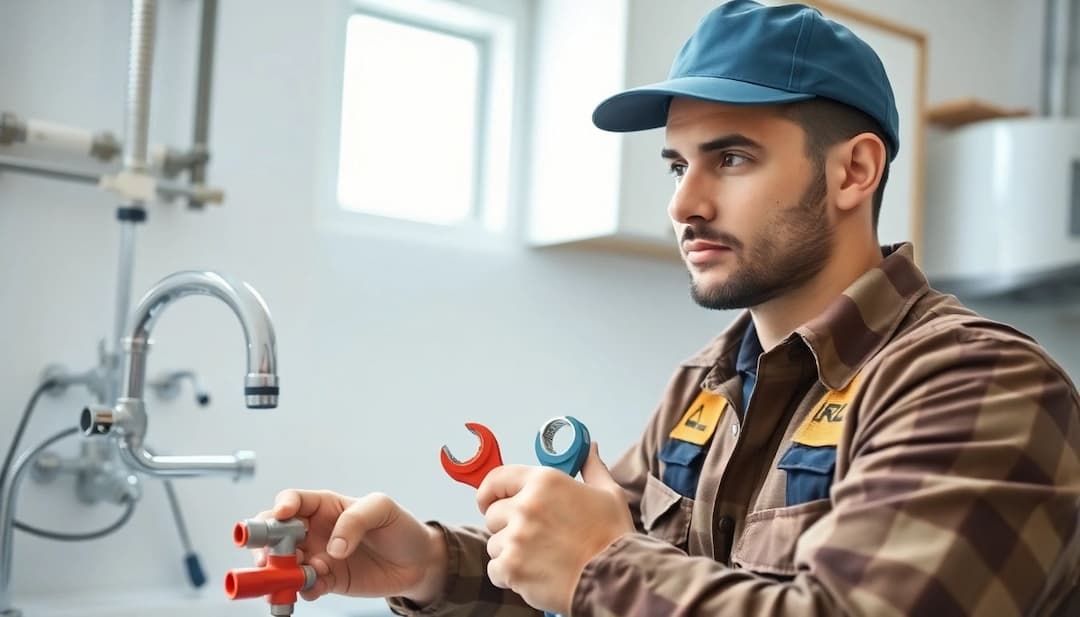
A toilet that runs constantly after flushing wastes water and raises bills. Homeowners may hear continuous water flow or see water cycling in the tank. Usually caused by a worn flapper or fill valve that fails to close properly. The plumber tests tank components and uses a dye test to detect leaks from the tank to the bowl.

Flapper and Fill Valve Issues
If the toilet fails to stop filling or water leaks into the bowl, the flapper may be warped or the fill valve malfunctioning. Homeowners might notice water trickling into the bowl or tank overfilling. A plumber inspects these parts for wear or mineral buildup common in hard water areas and replaces any faulty components to restore proper operation.
Wax Ring Leaks
Water pooling at the toilet base or dampness on the floor often indicates a broken wax ring seal. Older homes with original wax rings may develop leaks as the seal ages or the toilet rocks. The plumber checks for movement, removes the toilet if needed, and replaces the wax ring to prevent leaks and damage to the floor.
Rocking Toilet Bowl
A toilet that rocks or shifts on the floor can loosen the wax ring seal, causing leaks and odors. This can happen due to floor damage or loose bolts. The plumber tightens or replaces mounting bolts, inspects the flange for damage, and secures the toilet firmly to prevent future movement and leaks.
Weak Flush
Homeowners may notice incomplete flushing or waste remaining in the bowl. Causes include partial drain clogs, low water levels in the tank, or faulty internal parts. The plumber checks water levels, inspects for obstructions, and tests flush mechanisms to restore full flushing power.
Toilet Replacement
When repairs become frequent or parts are obsolete, replacement may be necessary. The plumber evaluates the condition of pipes, flush systems, and bowl integrity, offering options compatible with Massachusetts plumbing codes and your home’s setup, including considerations for older pipe materials.
Systems Involved in Toilet Repair
Toilet repair focuses on the tank system, which holds and releases water to flush. Repairs may involve internal parts like flappers and fill valves or external seals such as wax rings. The pipes connected to the toilet are often copper, PVC, or older galvanized or cast iron in Massachusetts homes. Proper repair must consider pipe material and local plumbing codes.
Compare water heater types, pipe materials and drain methods
Scope of Toilet Repair Services
Toilet repair covers common repairs to restore function and prevent leaks. Some work, such as septic system or well-related repairs, are outside this scope. Larger plumbing or structural issues may require additional services.
We handle
- Replacing or adjusting flapper valves
- Repairing or replacing fill valves
- Replacing wax ring seals under the toilet
- Tightening or replacing mounting bolts
- Clearing minor clogs affecting flush
- Assessing and improving flush performance
- Removing and reinstalling toilets
- Testing leaks using dye in the tank
Not part of this service
- Septic tank pumping or design
- Well drilling or casing work
- Heating and cooling ductwork
- Electrical wiring beyond appliance disconnect
- Work on municipal water or sewer mains
If an inspection uncovers a larger issue, a detailed scope and quote are provided before proceeding with additional work.
What to Expect During a Toilet Repair Visit
The plumber inspects your toilet thoroughly, explains findings, and discusses repair options before starting work. Preparation helps the process proceed smoothly.
- 1
Describe the Problem
Provide detailed information about symptoms, such as running water or leaks, along with the toilet’s location. Photos can help the plumber understand the issue before arrival.
- 2
On-site Diagnosis
The plumber examines the tank, flush components, seals, and bowl. A dye test may be performed to detect leaks between the tank and bowl. The condition of mounting bolts and floor stability is also checked.
- 3
Scope Before Work
After diagnosis, repair options and any necessary replacement parts are explained. A quote is given, and no repairs begin without your approval.
- 4
Repair and Test
The plumber completes the repair, tests the toilet under normal use to ensure proper function, and cleans the work area before leaving.
Why Choose This Toilet Repair Service
This service is dedicated to thorough diagnosis and repair of toilet issues, respecting Massachusetts plumbing codes and local conditions.
Local Knowledge
Experience with Plymouth and Massachusetts homes, including older houses with galvanized or cast iron pipes, ensures repairs address common regional issues.
Code Compliance
All repair work follows Massachusetts regulations, including necessary permits and inspections, ensuring safe and approved plumbing.
Detailed Diagnosis
Repairs begin with a careful inspection and testing to find the exact cause of the problem before recommending solutions.
Clear Communication
Repair options and necessary work are explained thoroughly. No work starts without your full understanding and consent.
Frequently Asked Questions
A running toilet often results from a worn flapper that fails to seal or a fill valve that does not shut off. A dye test in the tank helps identify leaks from the tank to the bowl.
Leaks or water pooling near the toilet base, combined with toilet rocking, can signal a damaged wax ring. The plumber may remove the toilet to replace the seal and check the flange.
Yes, weak flushing is often caused by partial clogs, low tank water levels, or failing internal parts. These can usually be repaired without full toilet replacement.
Massachusetts regulation 248 CMR 3.05 does not require permits for fixing leaks in faucets or valves, clearing stoppages, or adjusting gas appliance controls without supply changes. Replacement work may require permits.
A dye test involves placing food coloring in the toilet tank. If the color appears in the bowl within ten minutes, it indicates a leaking flapper or faulty tank seal.
Older Massachusetts homes often have galvanized steel or cast iron pipes. These require careful inspection during repairs to avoid damage and ensure lasting results.
Schedule Your Toilet Repair
Contact the Plymouth office today to discuss your toilet issues and arrange for an inspection and repair.