Sewer Line Repair in Massachusetts
Sewer line repair is a frequent need across Plymouth, the South Shore, and Massachusetts due to aging pipes, tree root intrusion, and ground settling. Homeowners notice backups, slow drains, or odors that signal issues with the main sewer line. This service includes thorough camera inspections, clearing blockages, repairing breaks or bellies, and replacing damaged sections. Proper permits are secured according to Massachusetts regulations. Contact us to schedule a detailed assessment of your sewer line issues.
Common Sewer Line Problems and Symptoms
Sewer line issues usually show distinct symptoms that can worsen if left unaddressed. Recognizing these early signs helps prevent costly damage and health hazards.
Main Line Backups
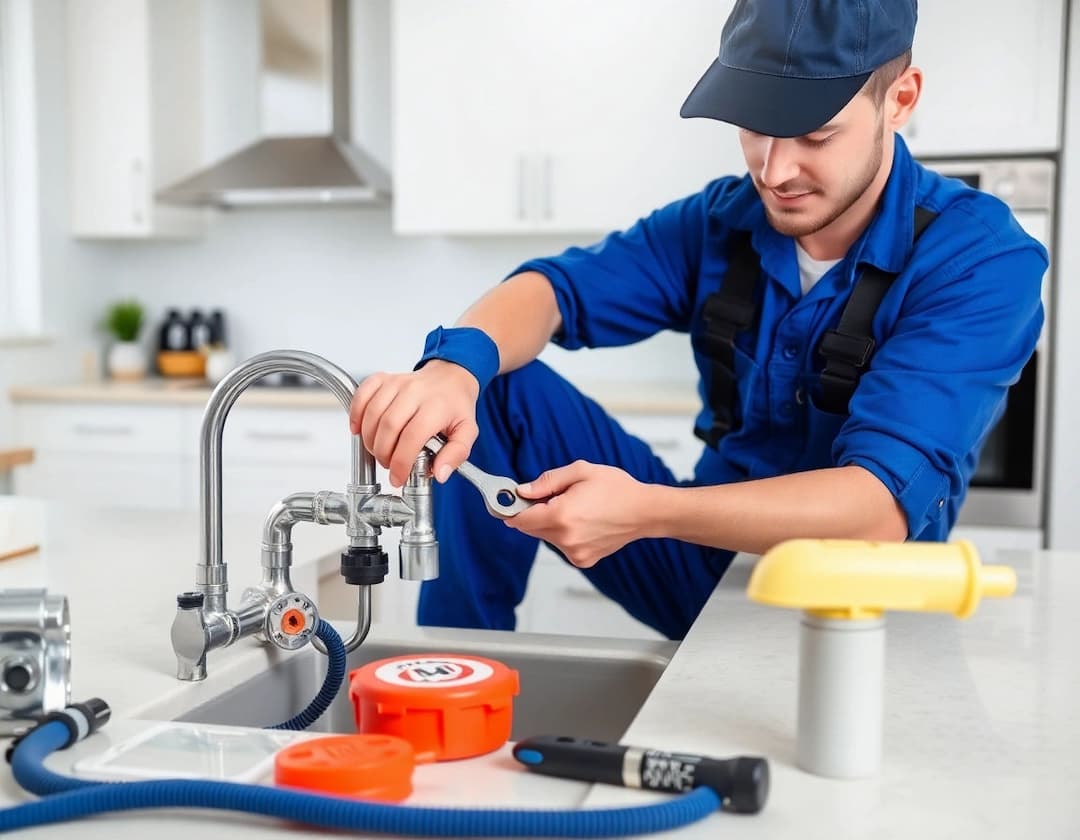
Water or sewage backing up into tubs, showers, or floor drains is a key symptom. This often results from blockages or breaks in the main sewer line. The plumber will use a camera to inspect the full length of the line, identifying the blockage’s location and nature before recommending repairs.
Root Intrusion
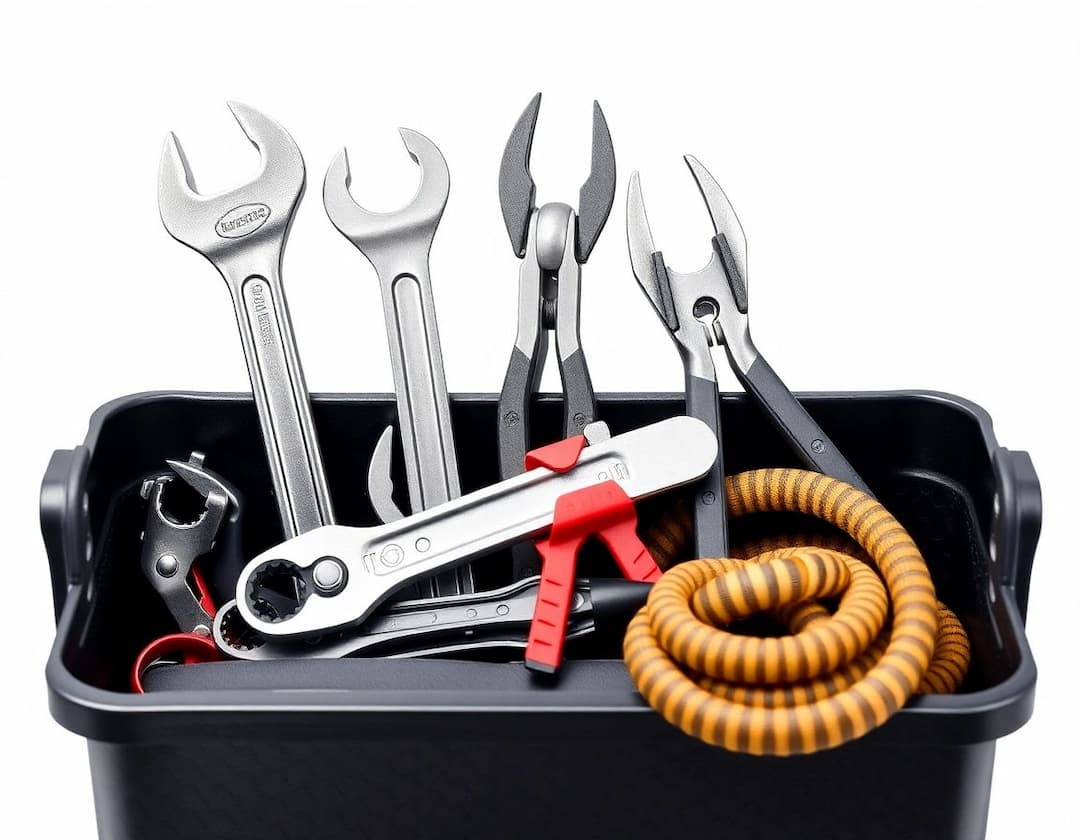
Roots from nearby trees invade sewer pipes through cracks or loose joints, leading to blockages and pipe damage. Homeowners may notice slow drainage or gurgling sounds. Plumbers perform a camera inspection to locate root intrusion and assess damage extent, then remove roots mechanically or with hydro jetting and repair affected sections.
Pipe Bellies
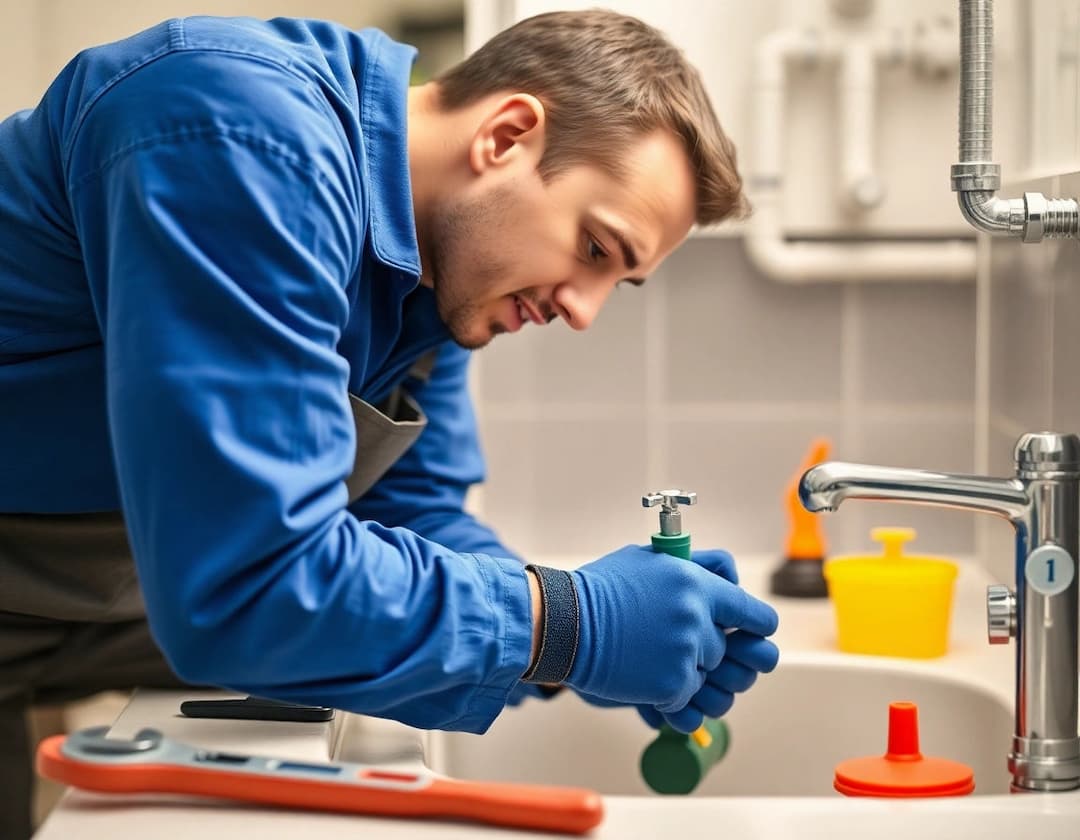
Bellies are sagging sections where pipes dip below proper slope, causing water to pool and slow drainage. This problem often arises from ground settling or poor installation. Homeowners see slow draining or backups. Repair involves excavating the affected area, removing the belly, and regrading or replacing the pipe to restore flow.

Pipe Breaks and Cracks
Broken or cracked sewer pipes cause leaks, backups, and contamination risks. Signs include sewage odors near the foundation or wet spots in the yard. A camera inspection reveals the break location and severity. Repairs can be spot fixes or full replacements depending on damage, always following Massachusetts permit rules.
Slow Drains and Gurgling Sounds
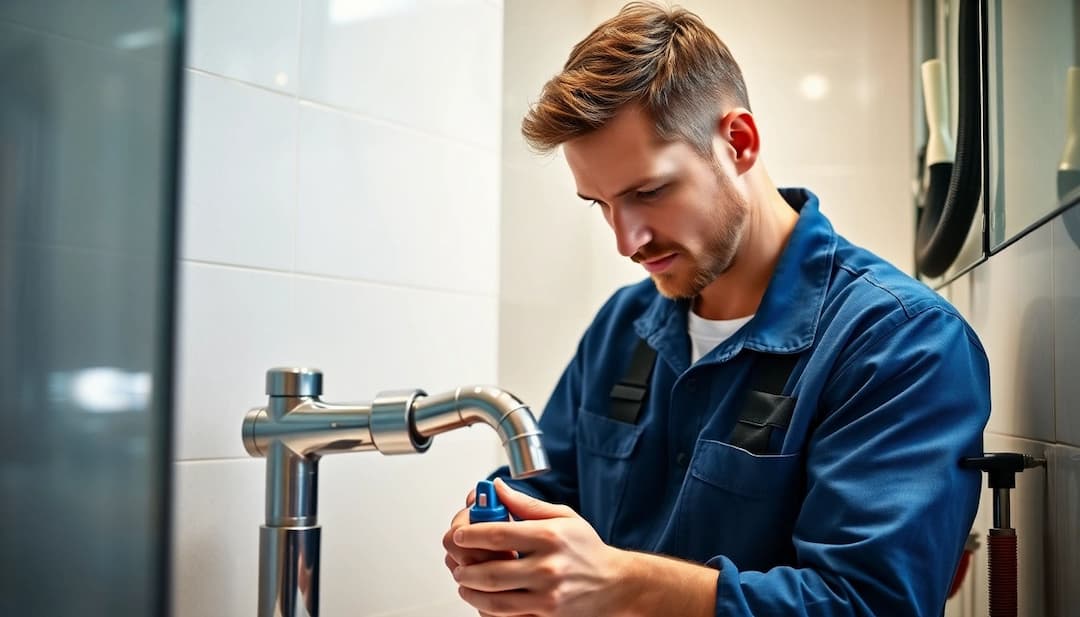
Slow drains or gurgling noises indicate partial blockages, venting issues, or pipe damage. These symptoms often precede backups. Plumbers use cable augers or hydro jetting to clear blockages and check vents. Persistent issues may require camera inspection for hidden breaks or root intrusion.
Sewage Odors
Lingering sewage smells around the home or yard suggest leaks or damaged sewer lines, particularly in older homes with cast iron or clay pipes. These odors may increase during dry spells. A thorough camera inspection identifies leaks or cracks, allowing targeted repairs to restore sanitary conditions.
Systems Involved in Sewer Line Repair
Sewer line repairs in Massachusetts often involve older cast iron and clay pipes in older homes, as well as PVC in newer construction. Camera inspections guide repairs by providing detailed images of pipe condition. Clearing methods include cabling and hydro jetting, which remove blockages caused by roots, grease, or sediment. Repairs or replacements require permits under Massachusetts regulation 248 CMR 3.05.
Compare water heater types, pipe materials and drain methods
Scope of Sewer Line Repair Services
This service covers locating and resolving sewer line blockages, breaks, root intrusion, and bellies on both the homeowner and municipal sides. Permits are obtained and inspections arranged for work involving pipe alteration or replacement.
We handle
- Detailed camera inspections of sewer lines
- Clearing blockages using cabling or hydro jetting
- Removing roots and repairing root-damaged pipe sections
- Fixing pipe bellies by excavation and realignment
- Spot repairing cracked or broken pipes
- Replacing severely damaged sewer pipe sections
- Determining responsibility between homeowner and municipality
- Managing required local permits and inspections
Not part of this service
- Septic system pumping, design, or Title 5 inspections
- Well drilling and casing work
- Heating and cooling ductwork
- Electrical wiring beyond appliance disconnects
- Mold remediation and water damage restoration
If the initial diagnosis reveals a more extensive repair is needed, a detailed scope and quote are provided before starting additional work to keep you informed and in control.
What to Expect During a Sewer Line Repair Visit
Our visits follow clear steps to diagnose your sewer problems and safely complete repairs with minimum disruption.
- 1
Describe the Problem
Provide detailed information about any backups, odors, slow drains, or wet spots. Photos or videos help clarify the issue and urgency when scheduling the visit.
- 2
On-site Diagnosis
The plumber inspects the affected areas and uses a camera on a push-rod to examine the sewer line's interior, identifying blockages, breaks, roots, or bellies, then explains findings and possible solutions.
- 3
Scope Before Work
After diagnosis, repair options and a quote are discussed, including the need for permits if required, before any excavation or pipe replacement begins.
- 4
Repair and Test
Repairs or replacements are performed carefully, then the sewer line is tested under pressure to ensure proper flow and no leaks. The work area is cleaned before completion.
Why Choose Us for Sewer Line Repair
Our process focuses on accurate diagnosis, compliance with Massachusetts codes, and durable repairs tailored to local conditions.
Advanced Camera Inspections
We use high-resolution cameras to visually assess sewer lines, enabling precise detection of blockages, breaks, roots, and pipe condition.
Code-Compliant Repairs
All repairs follow Massachusetts regulation 248 CMR 3.05, with permits filed and inspections coordinated to ensure safe and legal work.
Experienced with Local Pipes
We understand challenges posed by older cast iron, clay, and galvanized pipes common in Massachusetts homes and tailor repairs accordingly.
Comprehensive Service
From clearing blockages to full pipe replacement, we provide thorough solutions including cleanup and final testing to restore system function.
Frequently Asked Questions
Backups usually stem from blockages caused by roots, grease, sediment buildup, or pipe damage. A camera inspection finds the blockage’s location and nature, guiding effective repairs.
Roots enter sewer pipes through cracks or joints, causing blockages and pipe damage. Camera inspections locate roots and damage extent. Removal and pipe repair follow.
Yes. Under 248 CMR 3.05, most sewer pipe repairs or replacements require permits issued to licensed plumbers and inspections by local plumbing officials.
Trenchless repair methods like pipe relining may be possible depending on pipe condition and damage type. A camera inspection determines suitability for this approach.
Homeowners are typically responsible for sewer lines on their property up to the municipal connection. Municipalities maintain lines beyond that point.
Sewage backing up into tubs, showers, or floor drains is an emergency requiring prompt professional attention to prevent property damage and health risks.
Schedule Sewer Line Inspection
Call to discuss your sewer line concerns and arrange a professional inspection with a licensed plumber.