
Plumbing Repair and Water Heaters Across Plymouth County
Homeowners in Pembroke and the surrounding South Shore area can access plumbing services tailored to local needs. The region’s older homes often feature aging pipes and heating systems that require timely repairs or replacements. Plumbers here address water heaters, drain blockages, and pipe issues while considering Plymouth County’s climate and housing characteristics to maintain system reliability.
Water Heaters, Pipes, and Drains Serviced in Pembroke
Water heaters include storage tank, tankless, heat pump, and indirect boiler-fed models common here. Pipe materials range from copper and PEX in newer installations to galvanized steel and cast iron in older constructions. Drain cleaning methods cover cabling, hydro jetting, and camera inspections, ensuring comprehensive service for local plumbing systems.
Storage tank water heater
- Typical service life
- 10–15 years
- Fuel
- Natural gas, propane, oil or electric
The most common heater in Massachusetts homes: simple, quick to swap like for like, and the first thing to check when hot water runs short.
Tankless (on-demand) water heater
- Typical service life
- 20+ years
- Fuel
- Natural gas, propane or electric
Longer service life and endless hot water at one or two fixtures, but it needs correctly sized gas and venting and periodic descaling.
Heat pump (hybrid) water heater
- Typical service life
- Manufacturer-rated; check the unit's warranty
- Fuel
- Electric
The efficient electric option where there is room for it; placement rules matter more than for any other type.
Indirect (boiler-fed) water heater
- Typical service life
- Tank life comparable to storage units; depends on the tank material and water quality
- Fuel
- Whatever fuels the boiler (oil, natural gas or propane)
Where the house already has a boiler, the tank and the boiler are serviced together; a water-heater complaint here can be a boiler control problem.
Pipe materials we work on
Copper · PEX (cross-linked polyethylene) · CPVC · PVC and ABS · Galvanized steel · Cast iron · Lead
Drain and sewer methods
Cabling (snaking or augering) · Hydro jetting · Camera inspection · Enzyme maintenance
Compare water heater types, pipe materials and drain methods
Common Plumbing Repairs and Services
Services address leaks, drain clogs, water heater faults, pipe deterioration, and sewer line issues typical in aging South Shore homes.
Water Heater Repairs
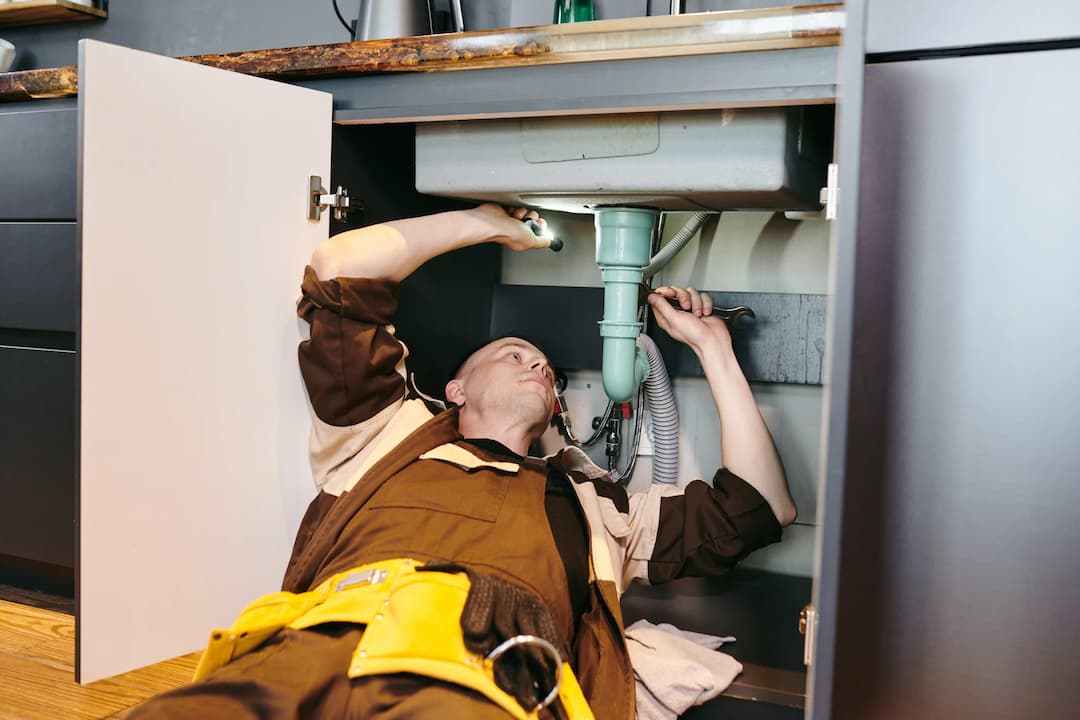
Homeowners may notice rusty water, noises like rumbling or popping, water pooling beneath the tank, or hot water running short. Plumbers inspect sediment buildup, heating elements, thermostats, and tank integrity. Repairs may involve flushing sediment, replacing components, or recommending replacement for units beyond their 10-15 year lifespan.
Drain Cleaning
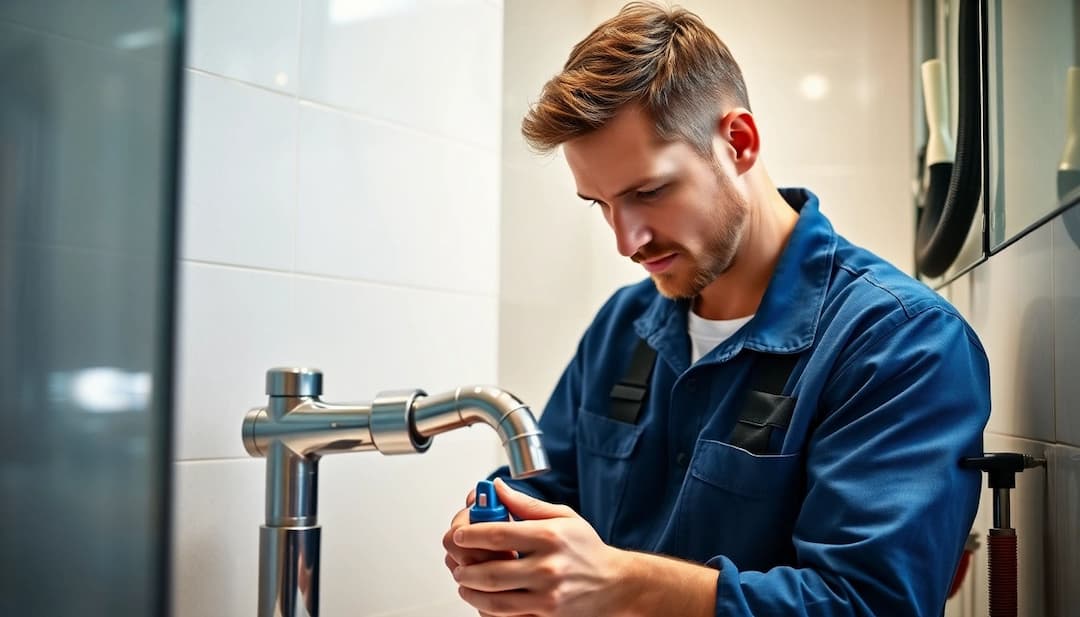
Slow drains, backups, or foul odors often signal blockages. Technicians use motor-driven cables to break up clogs or hydro jetting to clear grease, scale, and roots. Camera inspections identify pipe damage or offsets, guiding repair choices. Regular maintenance with enzyme treatments can reduce organic buildup over time.
Pipe Repairs and Replacement
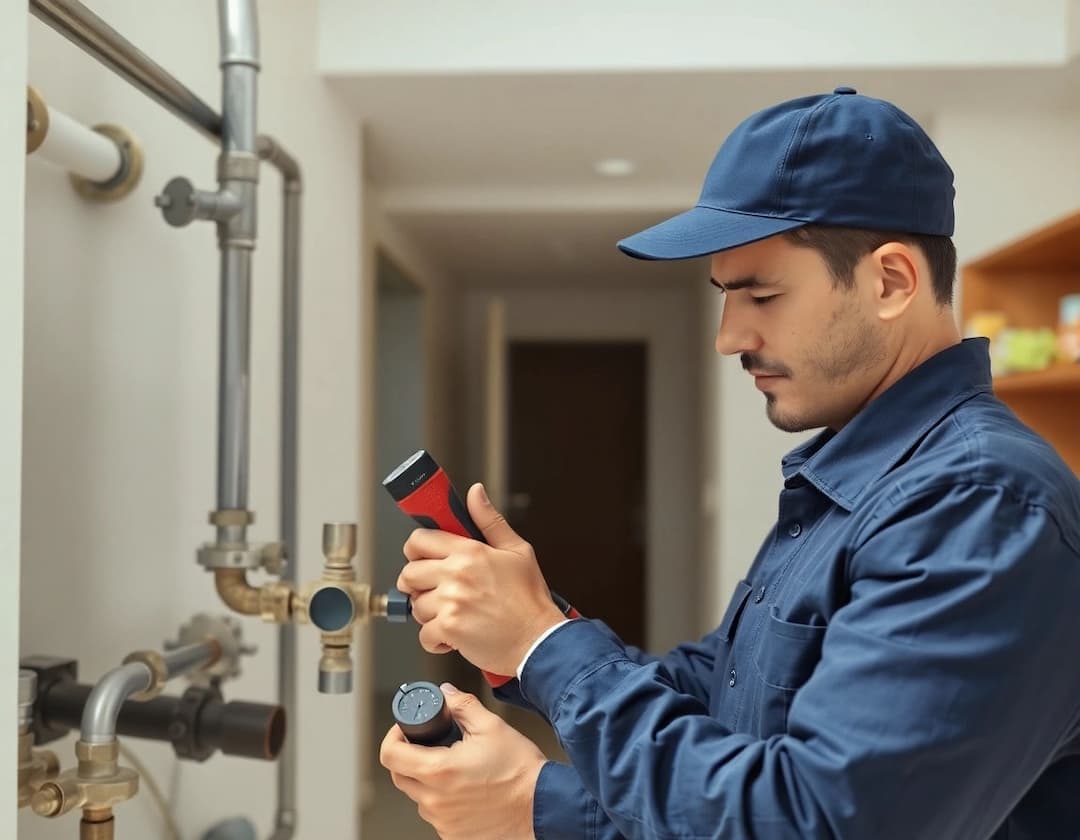
Older homes frequently have galvanized steel or cast iron pipes prone to corrosion and leaks. These materials may cause reduced water flow or contamination. Repairs include replacing sections with copper or PEX piping to improve durability, flexibility, and water quality while minimizing future failures.
Sewer Line Services
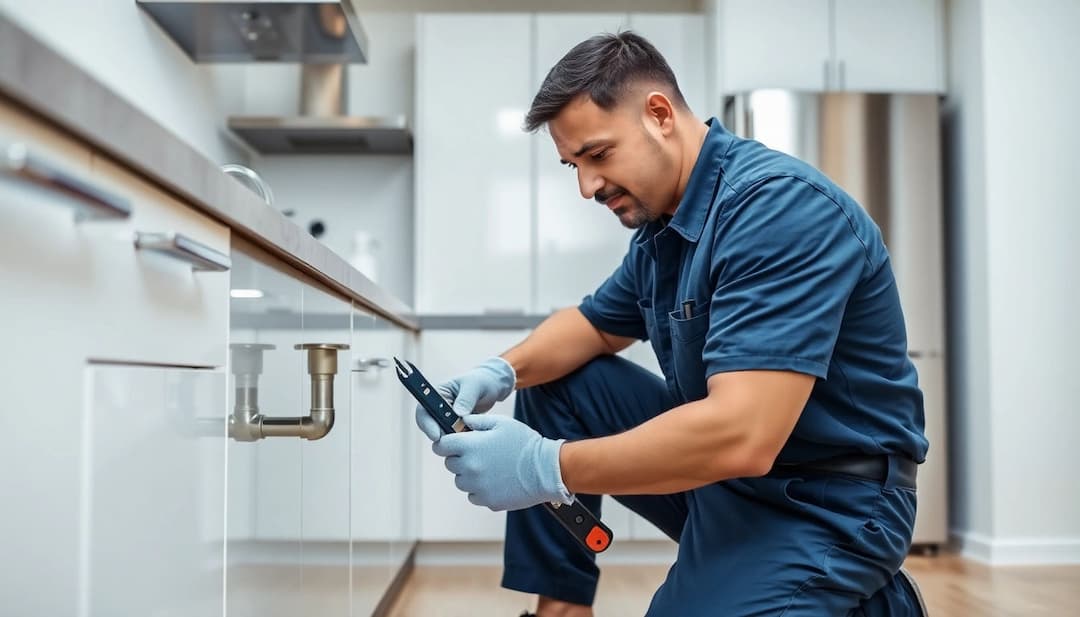
Sewage backups or slow draining require inspection with cameras to locate breaks, roots, or pipe bellies. Trenchless pipe relining may restore function without excavation if pipe condition permits. Otherwise, traditional repairs address damaged sections to prevent repeated problems.
Leak Detection
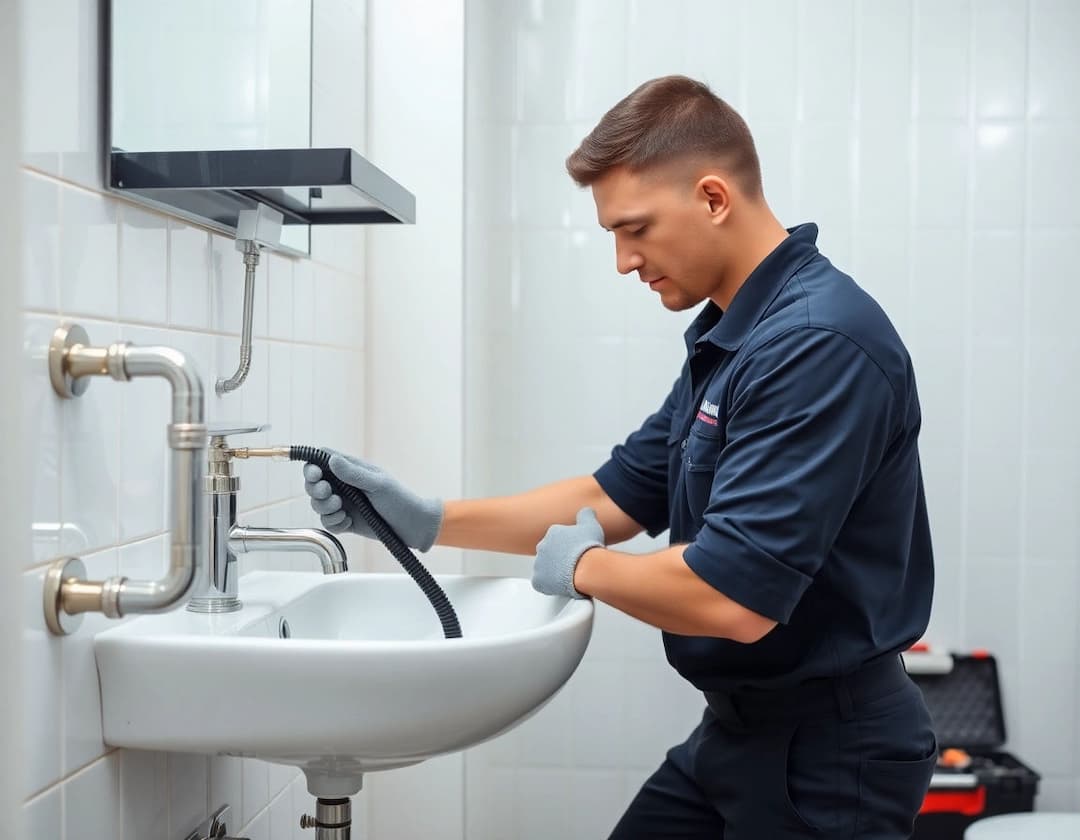
Unseen leaks waste water and increase damage risk. Warning signs include higher bills, meter running without use, warm floor spots, musty smells, or stains. Leak detection employs electronic sensors and thermal imaging to pinpoint leaks behind walls or under floors without destructive opening.
Reasons to Choose Our Plumbing Services
Focused on thorough evaluation and adherence to Massachusetts plumbing standards for safe and effective repairs.
Detailed Inspections
Plumbers carefully examine fixtures, pipes, and heaters, testing functionality and identifying the root causes before recommending corrective work.
Permits and Inspections
Most plumbing and gas work requires a permit from the local plumbing or gas inspector. Permits are filed and inspected after work is finished to ensure compliance with Massachusetts regulations.
Emergency Support
Emergency and same-day service requests are managed by phone depending on availability. Customers receive guidance on immediate steps to minimize damage while waiting for help.
Quality Repairs
After completing work, systems are tested under pressure or operational load to verify repairs. The workspace is cleaned to leave the area tidy.
How Our Plumbing Service Works
Clear steps from initial contact through repair completion ensure customers understand the process and options.
- 1
Describe the Problem
Call or submit a form describing the issue, its location, and urgency. Providing photos helps the plumber understand the situation before arriving.
- 2
On-site Diagnosis
The plumber inspects and tests the affected system, identifying failed parts or conditions and explaining the findings in plain terms.
- 3
Scope Before Work
Options for repair or replacement are outlined, including what the work entails and permitting needs. A quote is provided before any work begins.
- 4
Repair or Install, Then Test
Work is performed following inspection and plan approval. Systems are tested under operating conditions, and the work area is cleaned before completion.
Serving Pembroke and Nearby Areas
Coverage includes villages and nearby towns in Plymouth County. The office in Plymouth supports service throughout the South Shore and Cape Cod, reaching communities with similar housing and plumbing characteristics.
Nearby towns
- Hanson (CDP)
- North Pembroke
- Hanover
- Hanson
- Marshfield (CDP)
- Marshfield
- Halifax
ZIP codes
- 02359
County: Plymouth County · inner suburb (10-25 mi)
Plumbing Permits and Inspections
Massachusetts requires permits from local plumbing or gas inspectors for most plumbing or gas work installations or repairs. Licensed plumbers obtain these permits and ensure work is inspected when finished. Exceptions include repairing faucet leaks, clearing stoppages, and adjusting gas appliance controls without affecting supply connections. Permit fees and inspection timing are managed by the town and not guaranteed here.
Frequently Asked Questions
Homes here commonly have storage tank water heaters fueled by natural gas, propane, oil, or electric. Tankless units provide on-demand hot water but need proper sizing. Indirect boilers heat water through the home's boiler, common in hydronic heating systems. Heat pump models require suitable space and temperature conditions.
Watch for rusty or discolored hot water, rumbling or popping noises caused by sediment, water pooling beneath the tank, or hot water running out sooner than before. Units over 10 years old may be more prone to these issues and benefit from inspection.
If a pipe bursts or leaks uncontrollably, shut off the main water valve immediately. Turn off electricity near water to avoid hazards. Stop using water during sewage backups and open cabinet doors during freezing nights to prevent pipe bursts. Then contact a plumber for guidance and emergency response.
Older homes frequently have galvanized steel or cast iron pipes, which corrode and clog over time. Newer homes use copper and flexible PEX piping, which resist corrosion and simplify repairs. Awareness of pipe types helps identify potential repair needs.
Contact Us for Plumbing Assistance
Reach out by phone or message to discuss your plumbing issues and arrange for an inspection or service.