
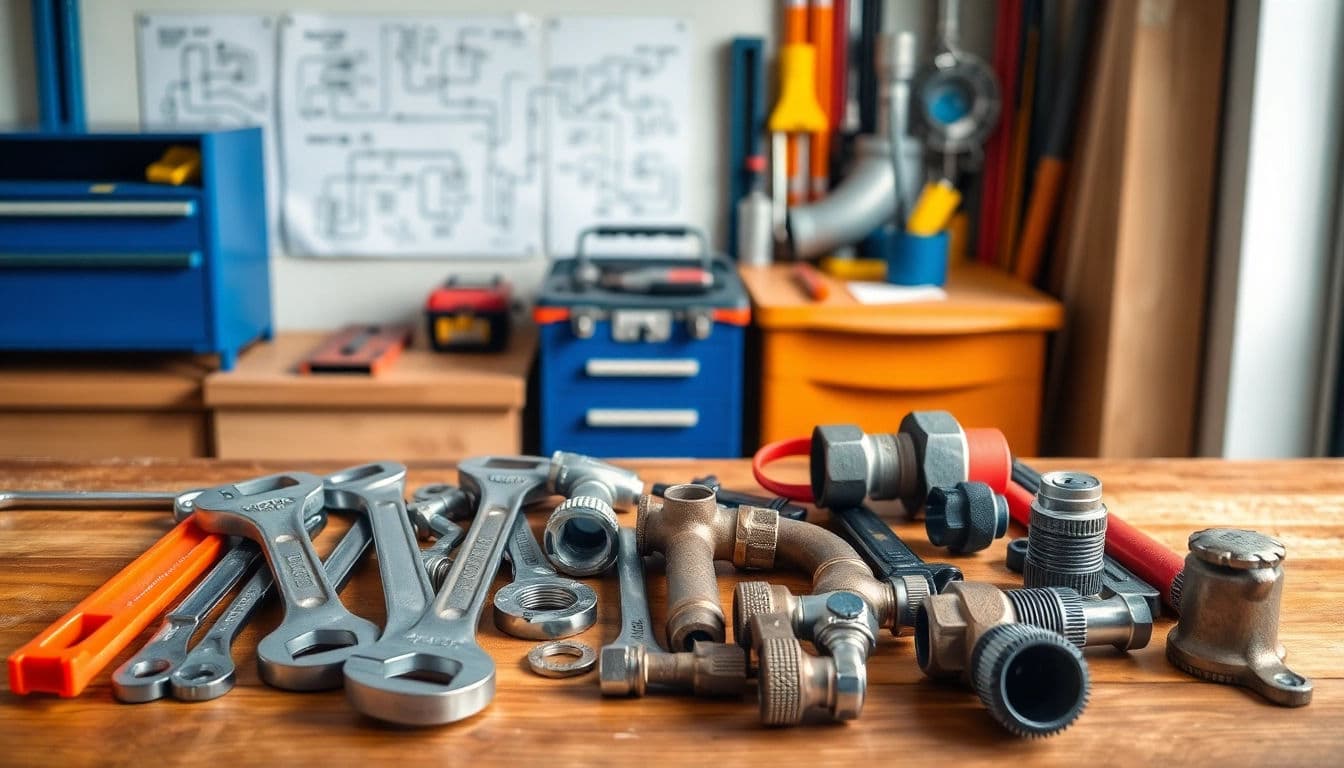
Faucet, Sink and Fixture Repair in Massachusetts
Faucet, sink, shower, tub, shut-off valve, and supply line repairs are common across Plymouth, the South Shore, Cape Cod, and Massachusetts communities. Typical issues include leaks, drips, reduced water flow, or fixture failure often caused by worn parts or damaged supply lines. Older homes with galvanized or copper piping can experience corrosion or freezing damage during cold winters. Contact us to discuss your plumbing concerns and schedule an inspection that fits your needs.
Common Faucet, Sink, and Fixture Problems
Leaks, slow drainage, and fixture wear are common signs homeowners notice. These symptoms often indicate deteriorated parts, corrosion, or freezing damage requiring professional inspection and repair.

Leaking Faucet
A dripping faucet wastes water and may cause stains or damage. Typically, worn washers, seals, or cartridges cause leaks. The plumber inspects internal components, supply lines, and shut-off valves to identify the leak’s source before repair or replacement.
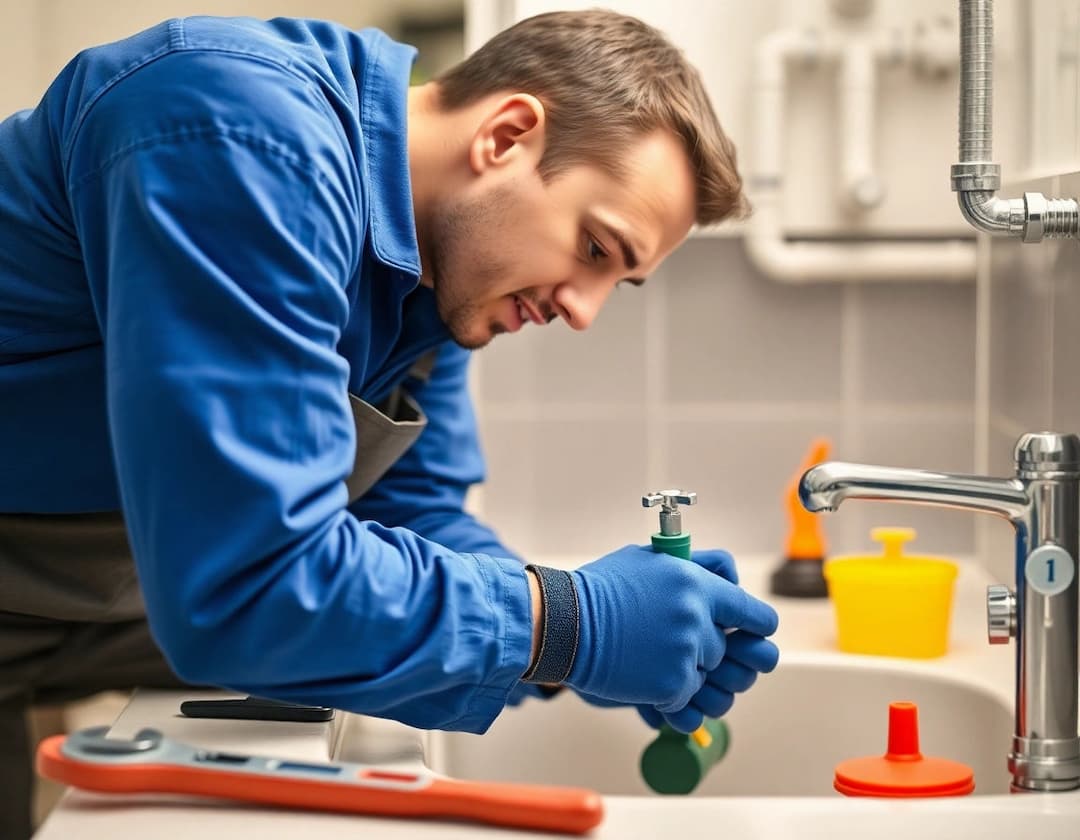
Corroded Supply Lines
Older copper or galvanized supply lines can corrode due to water quality and age, leading to leaks or bursts, especially during freezing winters. The plumber checks pipe condition and connections and may recommend replacement with flexible PEX or rigid CPVC lines.
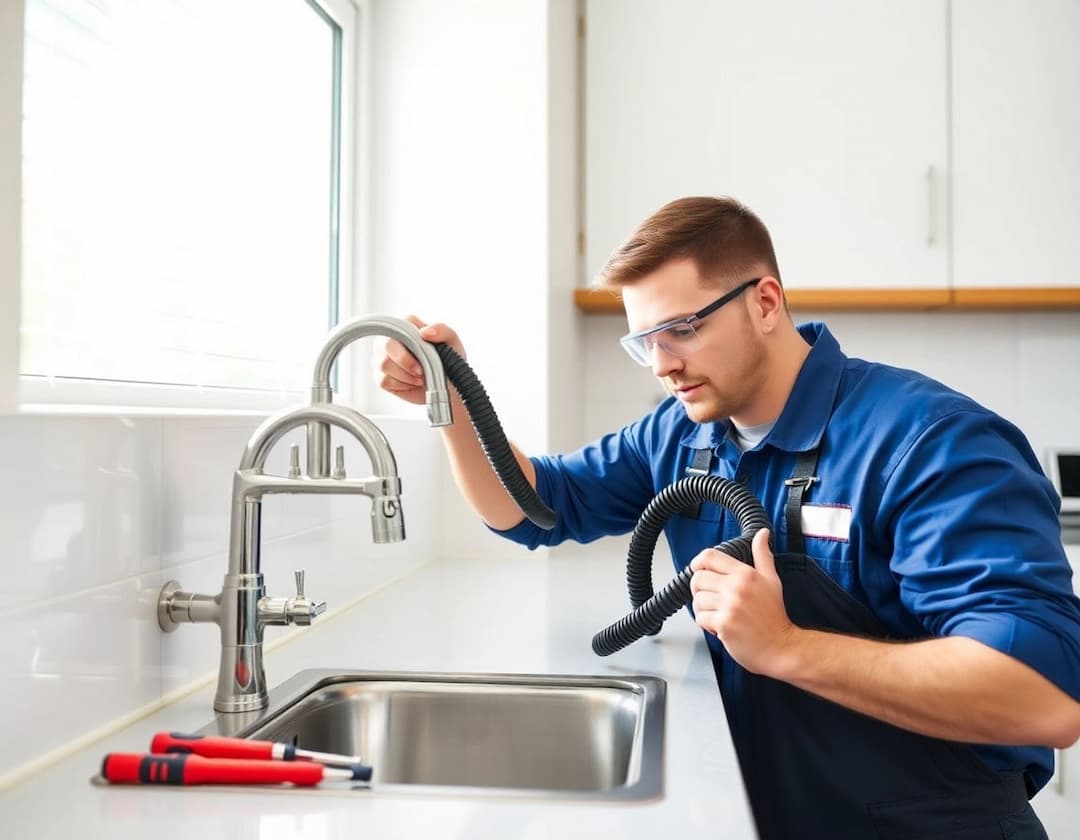
Shut-Off Valve Failure
Valves that don’t fully shut off water flow can cause leaks or flooding if a fixture fails. Signs include leaking around valve handles or inability to stop water. The plumber tests valve operation and replaces or repairs valves to restore control.
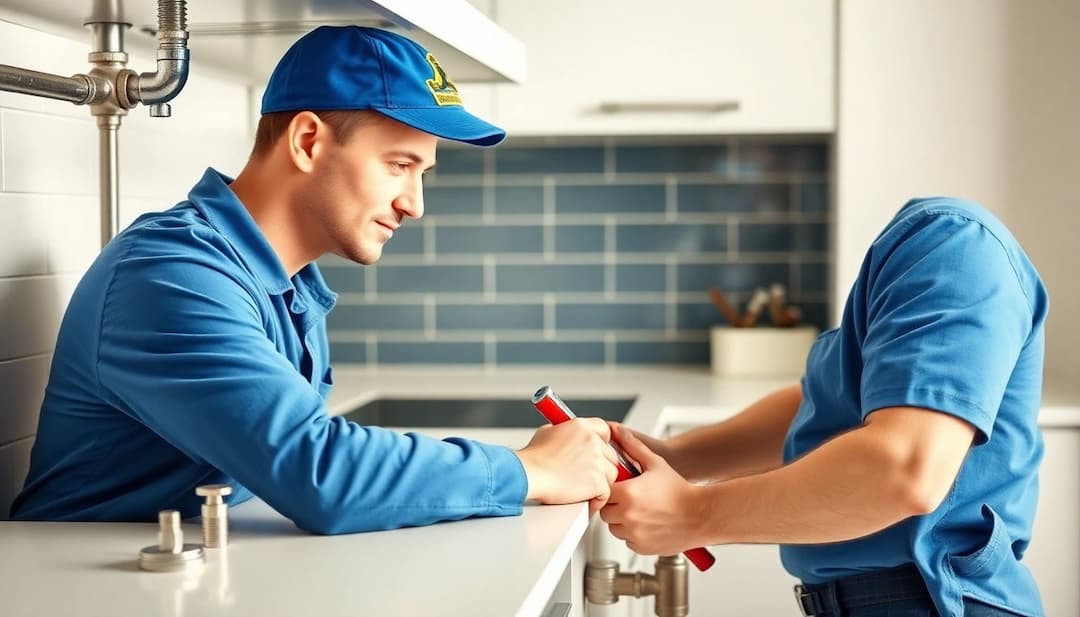
Slow Drainage or Clogs
Slow draining sinks, tubs, or showers often indicate blockages from hair, soap buildup, or debris. Older homes with cast iron or PVC drain pipes may experience buildup over time. Plumbers use cabling or hydro jetting to clear clogs and improve drainage.
Dripping Shower or Tub Faucets
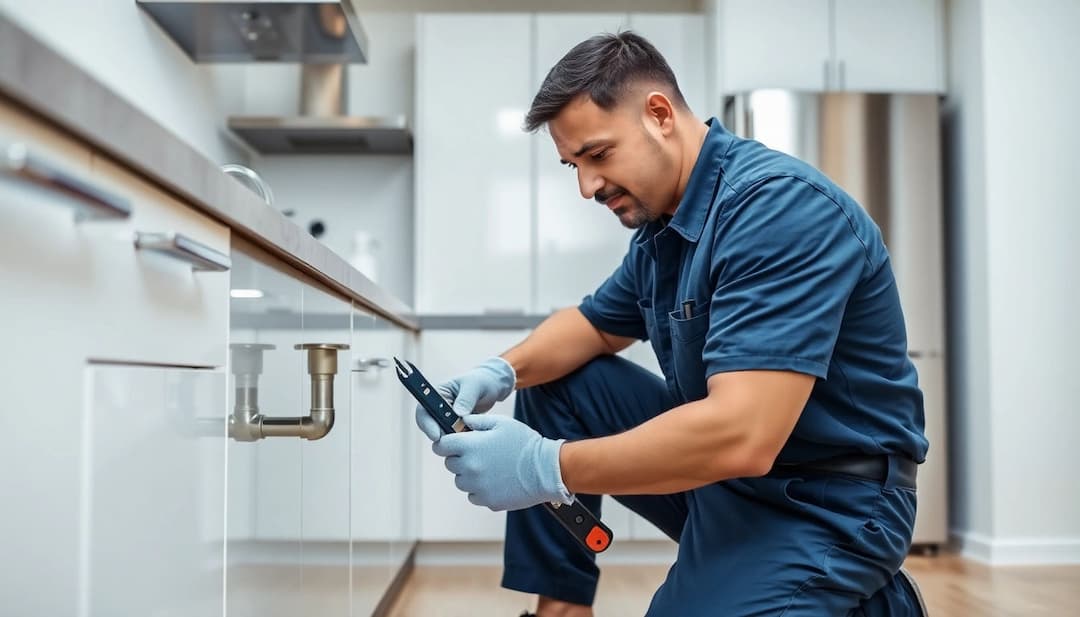
Drips from shower or tub faucets usually stem from worn internal cartridges or valve seats. These leaks waste water and can damage finishes. A plumber inspects and replaces faulty parts to restore proper function.

Loose or Damaged Fixtures
Fixtures that wobble or leak at connections may have loose fittings, cracked seals, or damaged mounting hardware. This can cause leaks or water damage. Plumbers tighten fittings and replace seals or hardware to ensure a secure, watertight installation.
Systems Involved in Faucet, Sink, and Fixture Repair
This service involves water supply lines commonly made of copper, PEX, or CPVC, shut-off valves, and drain pipes of PVC or ABS. Older homes may have galvanized steel or cast iron pipes, which can affect repair options. Storage tank water heaters are relevant where hot water supply issues relate to fixture leaks or supply line problems.
Compare water heater types, pipe materials and drain methods
Scope of Faucet, Sink, and Fixture Repair
Repairs include fixing leaks, replacing worn parts, addressing supply line and valve issues, and clearing drains. Replacement is recommended if repairs cannot reliably restore function.
We handle
- Fixing leaks in faucets, valves, and supply lines
- Replacing worn washers, cartridges, and seals
- Repairing or replacing corroded or damaged supply lines
- Adjusting or changing shut-off valves for proper operation
- Clearing drain clogs using cabling or hydro jetting
- Sealing loose fixture connections
- Testing water flow and pressure at fixtures and supply lines
- Inspecting hot water supply related to storage tank water heaters
Not part of this service
- Septic tank pumping or design work
- Well drilling or well casing installation
- Heating and cooling ductwork repairs
- Electrical wiring beyond appliance disconnects
- Repairs inside household appliances
If additional work is needed beyond the initial scope, a detailed explanation and a quote will be provided before proceeding.
What to Expect During the Service Visit
The visit includes inspection, diagnosis, explanation of options, repair work, and testing to confirm fixture performance.
- 1
Describe the Problem
Provide detailed information about the fixture issue, leak location, and urgency. Photos or videos can help clarify the problem.
- 2
On-Site Diagnosis
The plumber inspects faucets, supply lines, valves, and drains to find leaks, corrosion, or blockages and determine the necessary repair.
- 3
Scope Before Work
Repair or replacement options and any permit requirements are explained before beginning work to ensure informed decisions.
- 4
Repair and Test
Repairs are completed, followed by testing water flow, pressure, and leak checks to confirm proper function and cleanup of the area.
Why Choose Our Faucet and Fixture Repair
Our service follows Massachusetts plumbing regulations and prioritizes thorough diagnosis and reliable repairs.
Local Plumbing Experience
Knowledgeable about Plymouth and South Shore plumbing, including issues from older piping and cold Massachusetts winters.
Code Compliance
Repairs follow Massachusetts 248 CMR permit rules and plumbing standards to ensure safety and proper installation.
Clear Explanation
The plumber explains what has failed and why, providing repair options and expected results before starting work.
Comprehensive Testing
Water flow, pressure, and leak tests confirm repairs are effective before completing the job and leaving the site.
Frequently Asked Questions
Leaks often result from worn washers, seals, or cartridges inside faucets or valves, or from supply lines corroded over time, especially in older homes.
Supply lines showing corrosion, wear, leaks, or damage should be replaced to avoid failures, particularly with galvanized steel or older copper piping.
Massachusetts regulation 248 CMR 3.05 does not require a permit for repairing leaks in faucets or valves.
If a shut-off valve cannot fully stop water flow, leaks around the handle or body, or is difficult to operate, it likely needs repair or replacement.
Checking the water meter before and after no water use or placing food coloring in the toilet tank can reveal leaks moving into the bowl.
Leaks or supply line issues connected to storage tank water heaters can reduce hot water availability or cause water damage.
Schedule Your Faucet and Fixture Repair
Call to describe your plumbing issue and arrange an inspection and repair visit in Plymouth or surrounding Massachusetts areas.