Emergency Plumbing in Massachusetts
Emergency plumbing services in Plymouth, the South Shore, and across Massachusetts address urgent issues like burst or frozen pipes, active leaks, sewer backups, and loss of water or hot water during winter. These emergencies require immediate attention to prevent further damage and health hazards. Homeowners experiencing sudden water loss, flooding, or no heat from their water heaters during cold weather should call to discuss their situation and arrange prompt service.
Common Emergency Plumbing Problems
Identifying emergency plumbing issues early helps reduce damage and disruption. Here are frequent symptoms homeowners notice and what the plumber will examine during a visit.
Burst or Frozen Pipe
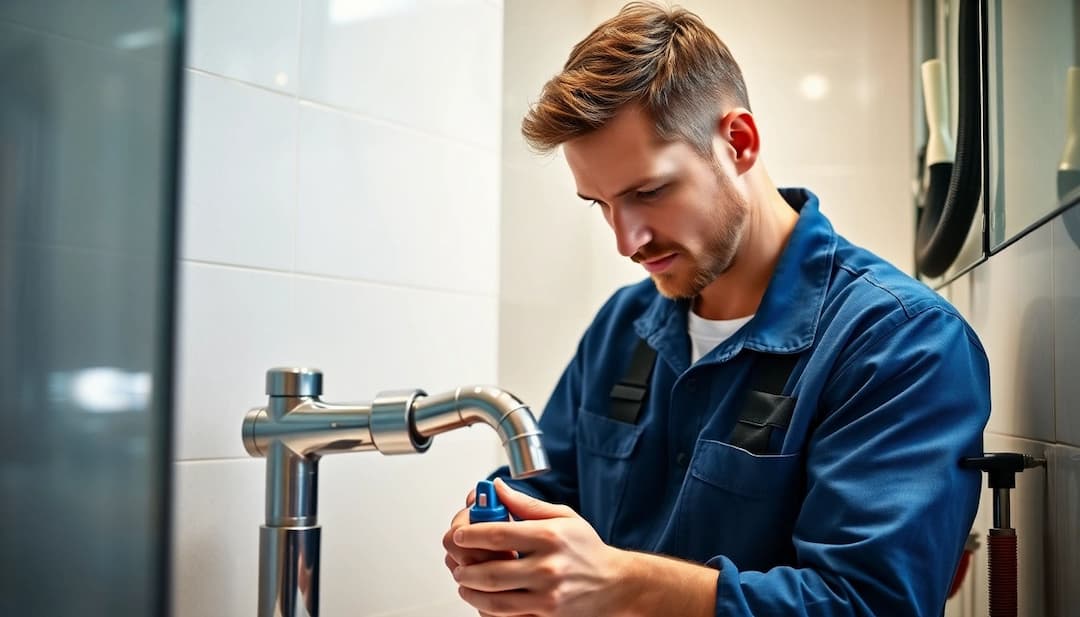
Homeowners may observe water spraying, pooling, or a sudden loss of water pressure. Frozen pipes are a frequent cause during cold Massachusetts winters, especially in poorly insulated areas. Plumbers check pipe materials, insulation, and surrounding temperatures, and identify any cracks or breaks requiring immediate repair or replacement.
Active Leak Not Stoppable
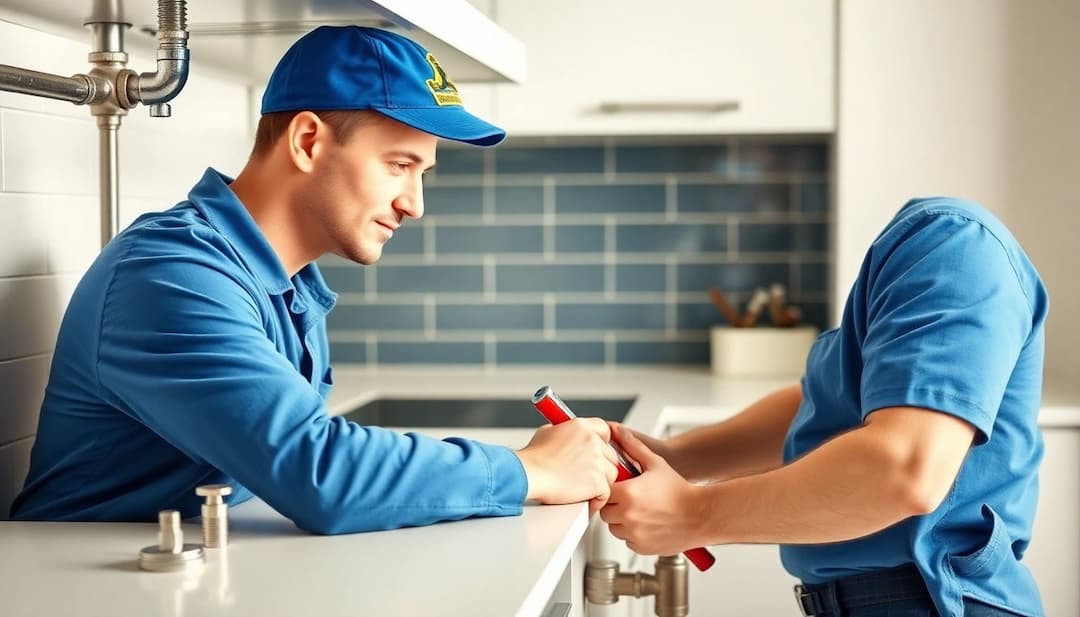
Leaks that cannot be stopped by turning off fixture shut-off valves often worsen quickly. Signs include continuous dripping, wet walls or ceilings, and water stains. The plumber locates the leak source, assesses pipe condition—often copper, PEX, or galvanized steel in older homes—and determines whether a section needs repair or full replacement.
Sewage Backup
Sewage backing up into tubs, showers, or floor drains creates health and odor problems. This usually indicates a blockage or pipe damage. The plumber uses specialized cameras to inspect drain pipes made of cast iron, PVC, or older materials, then clears or repairs the blockage using snaking, hydro jetting, or pipe lining as appropriate.
No Water Supply
Complete loss of water can stem from frozen service lines, main shut-off valve issues, or municipal supply interruptions. Older homes with galvanized steel or lead service lines may face corrosion or clogging. The plumber inspects the main water entry, valves, and pipe condition to restore flow safely.

No Hot Water in Winter
Hot water failure during cold months often relates to storage tank or tankless water heater problems, including sediment buildup, burner failure, or ignition issues. In Massachusetts, heaters fueled by natural gas, propane, oil, or electric elements need inspection for signs like rumbling noises, leaks, or temperature fluctuations to determine repair or replacement.
Gas Smell Inside Home
A gas odor in the home is a serious hazard requiring immediate evacuation and calling the gas utility or emergency services. Plumbers wait for utility clearance before any work. They later inspect gas lines and appliance connections for safety before restoring service.
Systems Involved in Emergency Plumbing
Emergency plumbing work often involves various systems including storage tank and tankless water heaters, which differ in operation and lifespan. It also involves pipe materials common in Massachusetts homes such as copper, PEX, galvanized steel, and cast iron drains. Drain clearing methods like cabling and hydro jetting are used to remove blockages. Understanding these systems helps ensure accurate diagnosis and effective repair.
Storage tank water heater
- Typical service life
- 10–15 years
- Fuel
- Natural gas, propane, oil or electric
The most common heater in Massachusetts homes: simple, quick to swap like for like, and the first thing to check when hot water runs short.
Tankless (on-demand) water heater
- Typical service life
- 20+ years
- Fuel
- Natural gas, propane or electric
Longer service life and endless hot water at one or two fixtures, but it needs correctly sized gas and venting and periodic descaling.
Compare water heater types, pipe materials and drain methods
What Emergency Plumbing Covers
This service addresses urgent plumbing failures that threaten water supply, safety, or sanitation. Immediate interventions, followed by thorough repairs, help limit property damage and restore function.
We handle
- Burst or frozen pipes causing leaks or water loss
- Active leaks unmanageable by fixture shut-off valves
- Sewage backups into tubs, showers, or floor drains
- No water supply to the house from any source
- No hot water during Massachusetts winters
- Gas smell requiring evacuation and utility notification
- Main water shut-off when leaks cannot be stopped locally
- Turning off storage tank water heaters draining due to leaks
Not part of this service
- Septic system pumping or Title 5 inspections
- Well drilling or well casing work
- Heating and cooling ductwork or HVAC repairs
- Electrical wiring beyond appliance disconnects
- Mold remediation or water damage restoration
If the problem requires more extensive repairs or permits, the plumber provides a detailed diagnosis and repair options with a quote before proceeding.
What to Expect During an Emergency Plumbing Visit
The emergency visit focuses on quickly assessing the urgent problem and communicating clearly about repairs needed and next steps.
- 1
Report the Problem
Call or submit detailed information about the issue, including what is happening, where, and how urgent it is. Photos help the plumber prepare for the visit and determine urgency.
- 2
On-Site Inspection
The plumber inspects affected pipes, fixtures, or water heaters, performs tests such as pressure checks or camera inspections, and identifies failure causes based on system type and condition.
- 3
Discuss Options
Repair or replacement alternatives are explained, including permit requirements and expected timelines. A quote is provided before any work starts so you can make an informed decision.
- 4
Repair and Test
The plumber completes the repair or installation, tests the system under normal operating conditions, and ensures the work area is cleaned up and safe.
Reasons to Choose Michaels Plumbing Services
Emergency plumbing requires adherence to Massachusetts codes and knowledge of local housing conditions. This service applies that expertise to provide safe, effective repairs.
Local Expertise
Familiar with the challenges of Plymouth and South Shore homes, including older housing with galvanized steel or cast iron pipes prone to corrosion and leaks.
Water Heater Knowledge
Experienced with storage tank and tankless water heaters, recognizing lifespan limits and common failure signs to diagnose hot water loss.
Code Compliance
Works within Massachusetts regulation 248 CMR 3.05, securing permits when required and ensuring inspections are passed for plumbing and gas repairs.
Clear Communication
Explains findings, repair scopes, and permit needs before starting work so homeowners understand the process and options.
Frequently Asked Questions
A plumbing emergency includes burst or frozen pipes, active leaks that cannot be stopped by shut-off valves, sewage backups into tubs or drains, no water supply, no hot water during winter, or a gas smell prompting immediate evacuation and utility contact.
Close the main shut-off valve to stop water flow and prevent further damage. This temporary measure limits flooding until a plumber arrives to locate and repair the leak.
Signs of failure include rusty or discolored hot water, rumbling or popping noises from sediment buildup in storage tanks, water pooling beneath the unit, or hot water running out quickly. Tankless units may show temperature swings or error codes.
Tankless water heaters have limited flow rates. Running two showers simultaneously can cause temperature fluctuations unless the unit is properly sized and installed with adequate gas supply and venting.
Massachusetts requires permits for most plumbing and gas installations or repairs. Exceptions include faucet leak repairs, clearing stoppages, and adjusting gas appliance controls without altering supply connections. The plumber advises on permit needs during assessment.
Leave the building immediately and contact the gas utility or call 911. Plumbers do not address gas leaks directly but assist after the utility has secured the area and cleared it for work.
Contact Us for Emergency Plumbing
Call to report your emergency and arrange an assessment. Immediate steps help protect your home and restore service.