
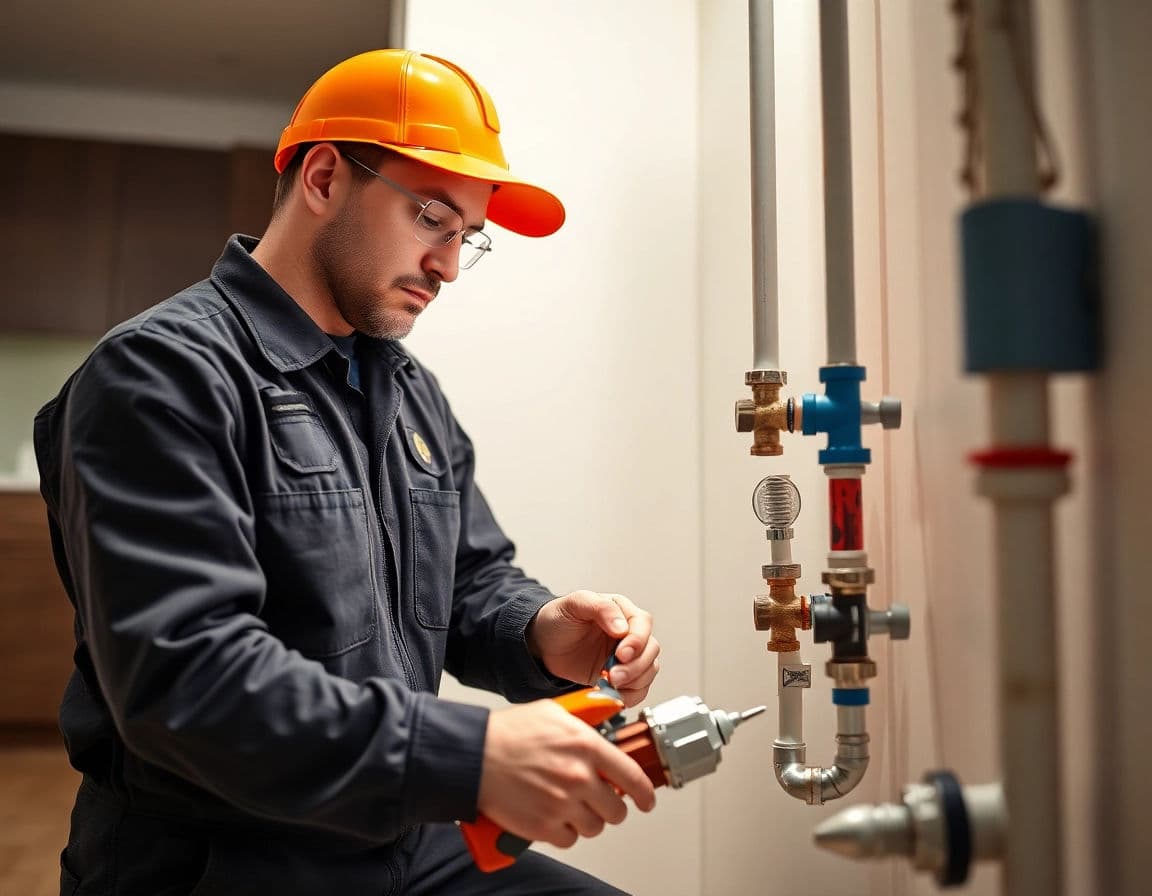
Water Softener and Filtration in Massachusetts
Hard water and well water can cause scale buildup on fixtures and water heaters, shortening their life and reducing efficiency. Homeowners across Plymouth, the South Shore, and Massachusetts contact us for water softener repair, installation, and filtration solutions. Call to discuss how to protect your plumbing and improve water quality.
Common Hard Water and Filtration Issues
Hard water and well water can cause various problems in your plumbing system. These are the signs homeowners often notice and what a plumber typically inspects.
Scale on Fixtures
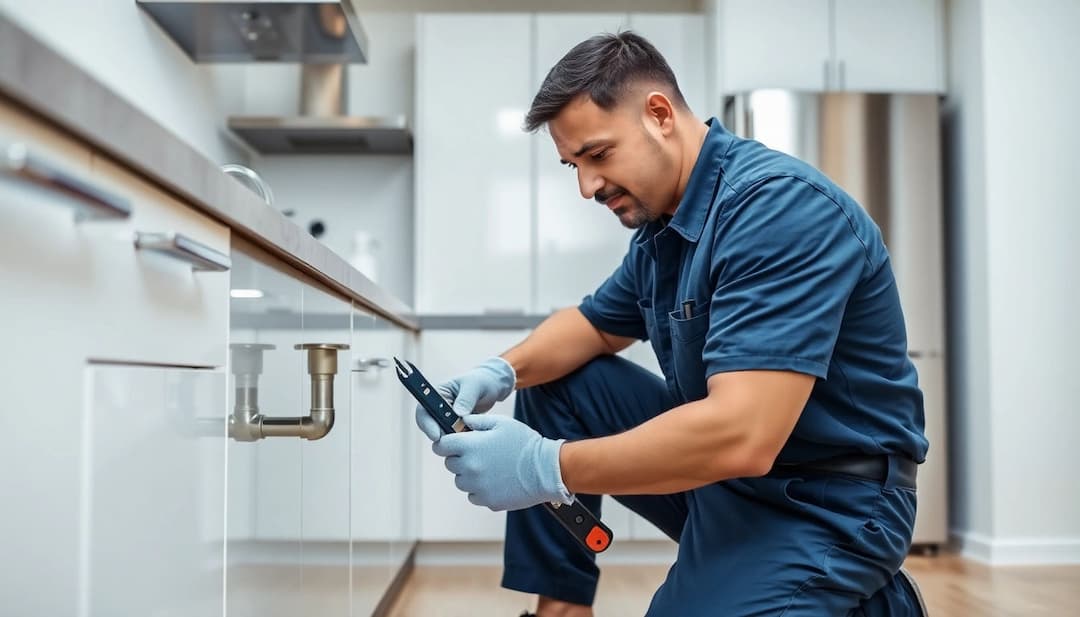
White or chalky deposits form on faucets and showerheads due to minerals in hard water. The plumber checks for buildup and evaluates water hardness to recommend filtration or softening.
Reduced Water Heater Lifespan
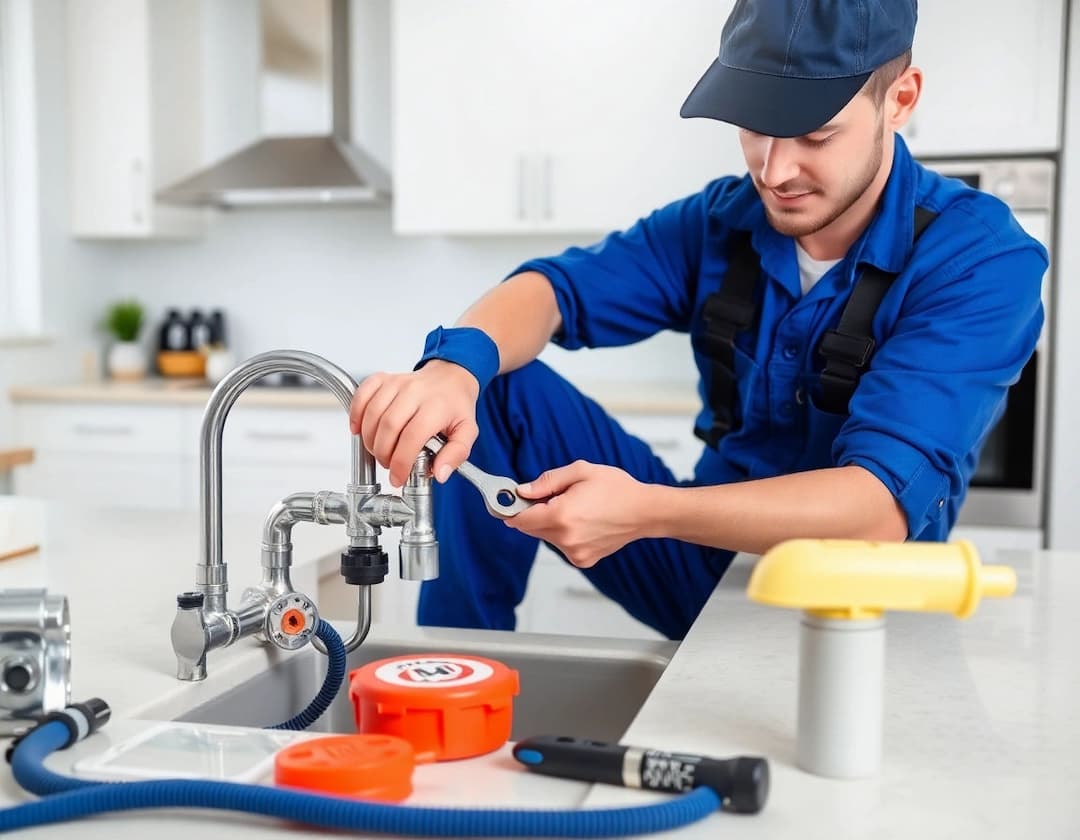
Mineral deposits inside storage tank or tankless water heaters cause rumbling and reduce heating efficiency. The plumber inspects sediment levels and heater condition to decide on cleaning or replacement.
Discolored Hot Water
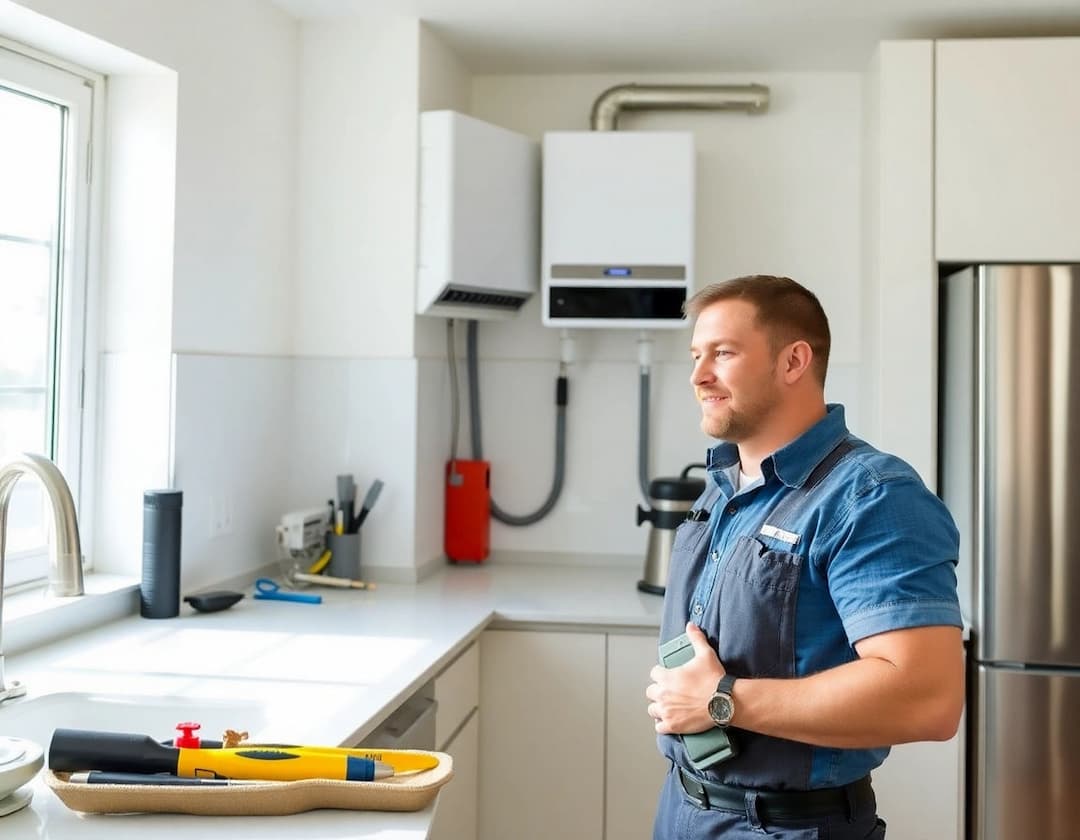
Rusty or discolored hot water can indicate corrosion or sediment inside a storage tank heater. Plumbers assess heater age and internal damage to suggest repair or new installation.
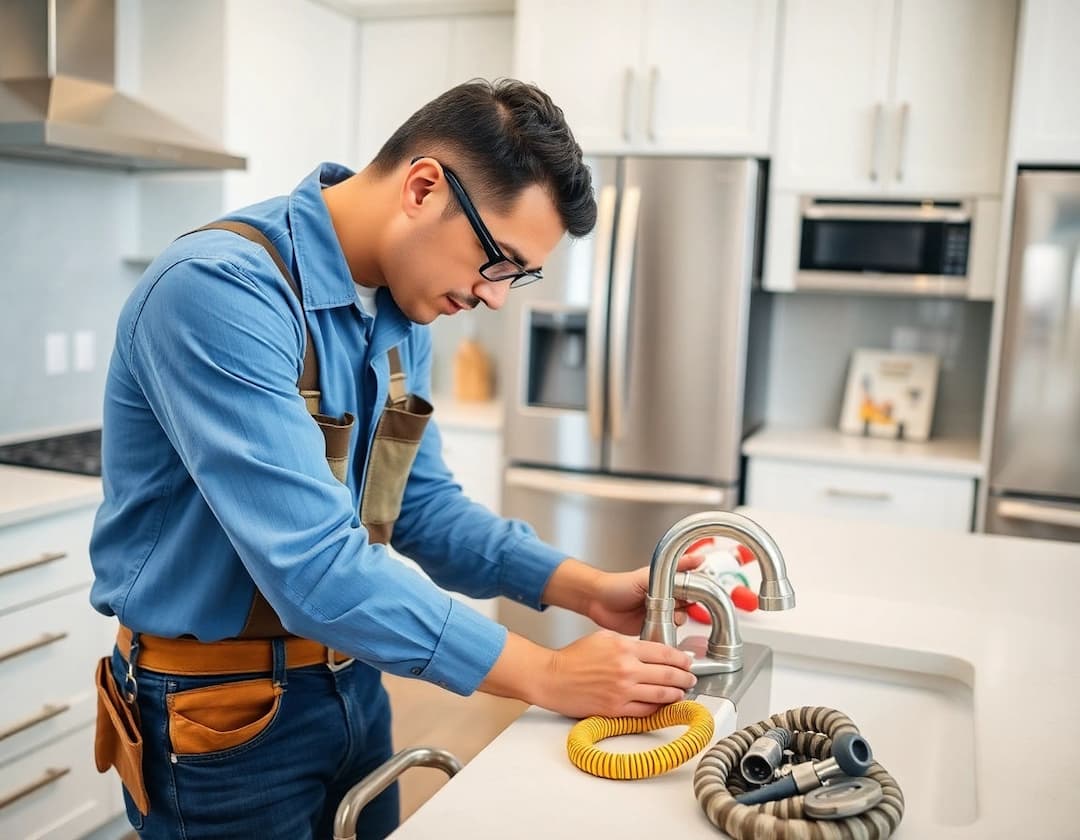
Fluctuating Water Temperature
Tankless units may show temperature swings during use due to scale buildup restricting flow. A plumber tests the unit and may recommend descaling or softener installation.
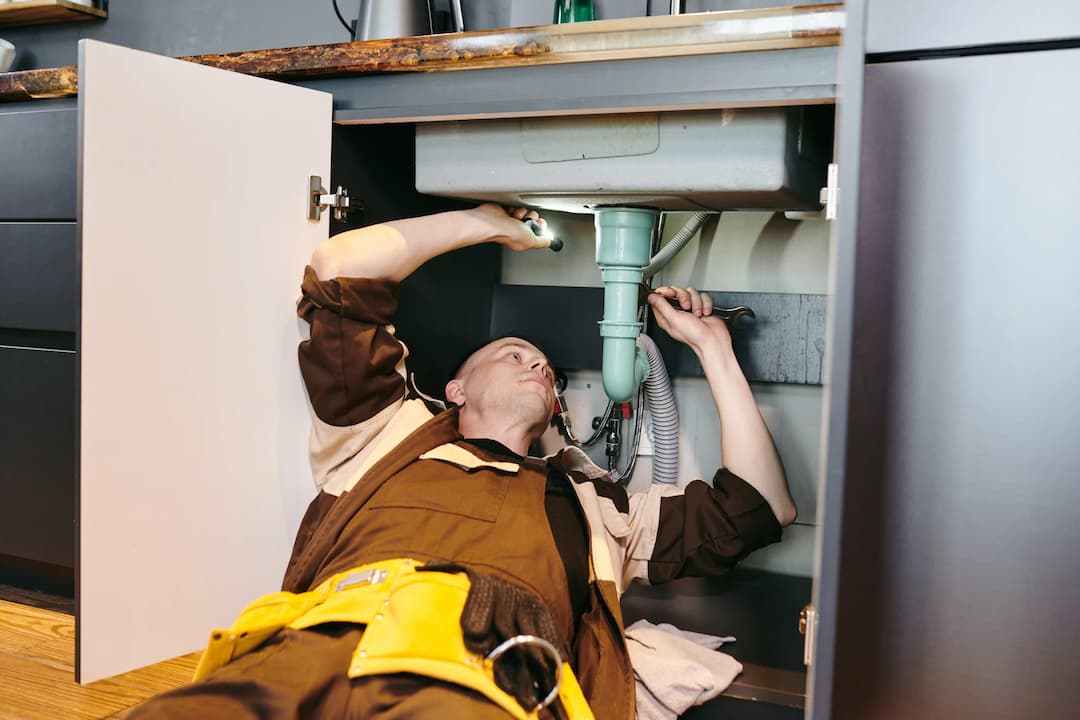
Clogged or Slowed Fixtures
Mineral scale can block aerators and showerheads, reducing flow. The plumber inspects and cleans fixtures and advises on filtration to prevent recurrence.
Well Water Quality Issues
Well water often has high mineral content needing treatment. The plumber evaluates flow and water tests to design suitable whole-house or point-of-use filtration systems.
Water Heater and Plumbing Systems Affected
This service covers storage tank and tankless water heaters commonly found in Massachusetts homes, as well as plumbing supply lines made of copper, PEX, or galvanized steel. Filtration and softener units connect to these systems to manage mineral content and scale buildup.
Storage tank water heater
- Typical service life
- 10–15 years
- Fuel
- Natural gas, propane, oil or electric
The most common heater in Massachusetts homes: simple, quick to swap like for like, and the first thing to check when hot water runs short.
Tankless (on-demand) water heater
- Typical service life
- 20+ years
- Fuel
- Natural gas, propane or electric
Longer service life and endless hot water at one or two fixtures, but it needs correctly sized gas and venting and periodic descaling.
Compare water heater types, pipe materials and drain methods
Scope of Water Softener and Filtration Work
Work includes diagnosing hard water effects, installing or repairing softeners and filters, and maintaining water heaters impacted by scale.
We handle
- Installation of whole-house water softeners
- Repair of existing softener units
- Installation of point-of-use filtration systems
- Descaling tankless and storage tank water heaters
- Inspection of water heaters for scale damage
- Testing water hardness and quality
- Maintenance of filtration equipment
- Coordination of permits when required
Not part of this service
- Well drilling and casing work
- Septic system pumping or design
- Heating and cooling ductwork
- Electrical wiring beyond appliance disconnect
- Mold remediation and water-damage restoration
If the diagnosis reveals more extensive plumbing or water system issues, a detailed scope and quote are provided before further work proceeds.
What to Expect During a Service Visit
A typical visit includes problem description, on-site diagnosis, repair or installation options, and final testing.
- 1
Describe the Problem
Contact the office with details about water quality issues, affected fixtures, and urgency. Photos of scale or equipment help the assessment.
- 2
On-Site Diagnosis
The plumber inspects water heaters, softeners, and filtration systems, tests water hardness, and identifies scale or damage.
- 3
Scope Before Work
Repair or installation options are explained with a quote before any parts are replaced or systems altered.
- 4
Repair or Install, Then Test
Work is completed and the system is tested under normal conditions. The area is cleaned and left ready for use.
Why Choose Michaels Plumbing Services
Our approach focuses on thorough diagnosis, appropriate solutions, and compliance with Massachusetts regulations.
Experienced Diagnoses
Technicians assess water heater condition and hardness effects to recommend repairs or filtration tailored to your home.
Local Knowledge
Familiarity with Plymouth and the South Shore means understanding common hard water and well water challenges.
Permits and Compliance
All work requiring plumbing or gas permits follows Massachusetts regulation 248 CMR 3.05, ensuring inspections and approvals.
Clear Communication
Before work begins, you receive a full explanation of options and a quote to make an informed decision.
Frequently Asked Questions
The most common water heater problems include rusty or discolored hot water, rumbling noises from sediment buildup, leaks under the tank, or hot water running out quickly. These signs often indicate the unit is aging or has internal issues that need professional attention.
A tankless water heater heats water on demand but has a limited flow rate. Running two showers simultaneously can strain the unit if it’s not properly sized, causing temperature fluctuations. Correct sizing and installation by a licensed plumber are important to avoid such issues.
Tankless water heaters require proper sizing, gas supply, and venting to work efficiently. They can experience temperature swings if multiple fixtures run at once, and hard water areas may cause scale buildup, reducing flow. Regular maintenance and professional installation help mitigate these downsides.
Installing a tankless water heater is complex and requires proper gas, venting, and electrical work. Massachusetts law requires a permit and a licensed plumber for most installations. DIY installation is not recommended due to code requirements and safety concerns.
The average life of a storage tank water heater is 10 to 15 years, while tankless models can last over 20 years with proper maintenance. Heat pump water heaters’ lifespan depends on the manufacturer’s warranty. Age and condition influence when replacement should be considered.
A plumbing emergency includes burst or frozen pipes, active leaks that shut-off valves cannot stop, sewage backup into tubs or floor drains, no water supply, no hot water during winter, or a gas smell requiring immediate evacuation and calling the gas utility or 911. Prompt action and professional help are critical to minimize damage and restore service.
Contact Us for Water Softener and Filtration Services
Call Michaels Plumbing Services in Plymouth to schedule an inspection or discuss your water quality concerns.